Data surrounds us everywhere we go. Every time you buy a coffee, track a workout, or fill out a survey, you leave behind digital breadcrumbs. On their own, these individual pieces of information might seem random or insignificant. A single number or a lone name sitting on a spreadsheet does not tell a story.
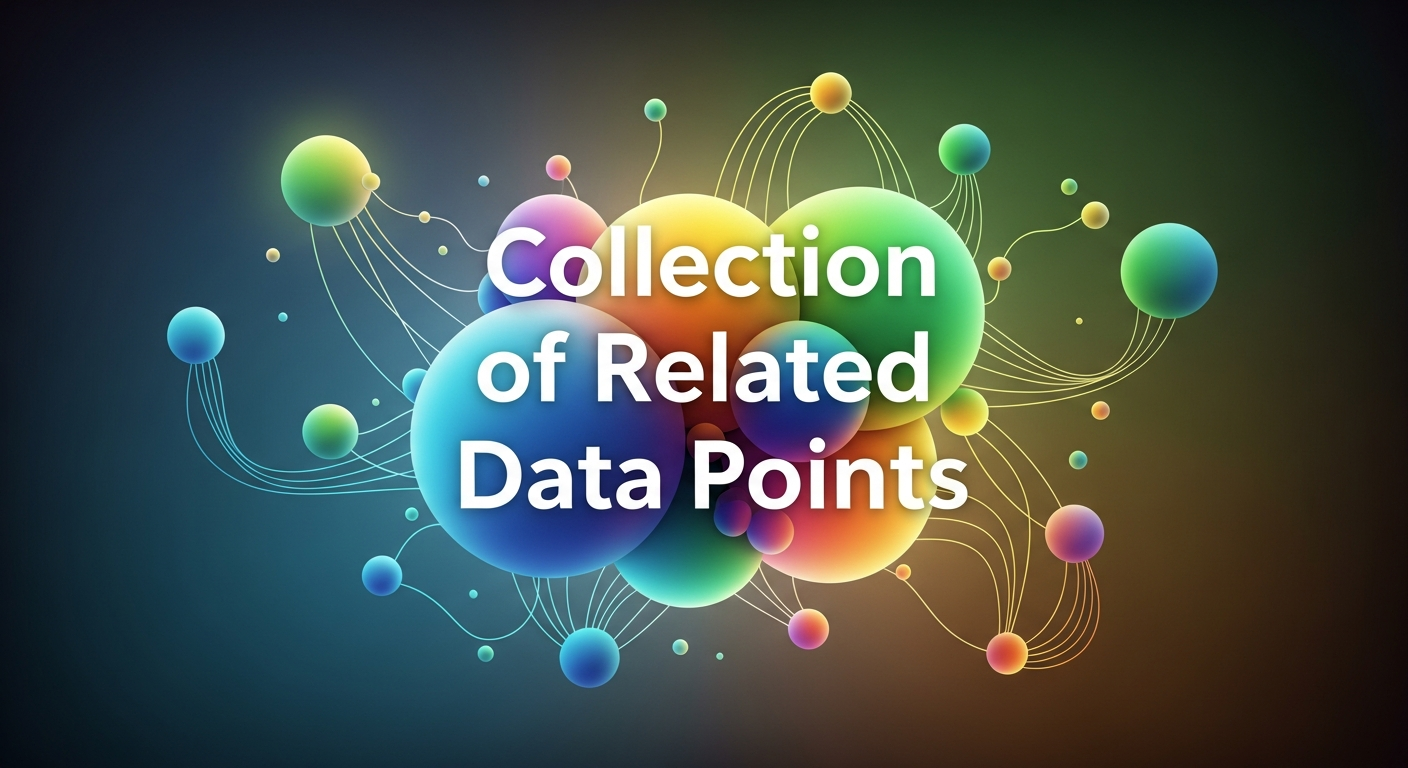
However, when you group these individual items together, they start to paint a vivid picture. This grouping is known as a collection of related data points. It is the foundation of modern analytics, business intelligence, and scientific research. By connecting the dots between isolated facts, organizations and individuals can make smarter decisions.
Understanding this concept does not require a degree in computer science. At its core, it is simply about organization and context. This guide will break down exactly what a collection of related data points is, how it works in practice, and the modern tools used to gather and analyze this information.
The Anatomy of a Data Point
 Before looking at the broader collection, you need to understand the individual parts. A data point is a single, distinct fact or piece of information. It can be a number, a word, a date, or even a geographic coordinate.
Think of a data point as a single puzzle piece. If you pull one piece out of a box, you might see a patch of blue sky or a corner of a building. It exists as a concrete fact. You know it is blue, and you know its shape. Yet, that single piece gives you very little information about the overall picture.
If a retail store records the number “45,” that is a data point. Without context, “45” is meaningless. It could represent the number of customers in the store, the price of a jacket, or the temperature outside. A single data point always needs companions to provide actual value.
Bringing Meaning Through Relationships
A collection of related data points occurs when you link multiple pieces of information together around a central subject. When you attach context to our previous example, the number “45” suddenly becomes useful.
Let us say the subject is a customer named Sarah. The related data points might include her age (45), her location (New York), her recent purchase (a winter coat), and the date of her transaction (November 12). Together, these pieces form a cohesive profile. The store now knows that Sarah is a 45-year-old woman in a cold climate who recently bought winter gear.
This relationship transforms raw numbers into actionable knowledge. The store can use this collection to recommend matching gloves or boots to Sarah in the future. The relationship between the data points is what drives business strategies, healthcare diagnoses, and technological advancements.
Methods for Gathering Information
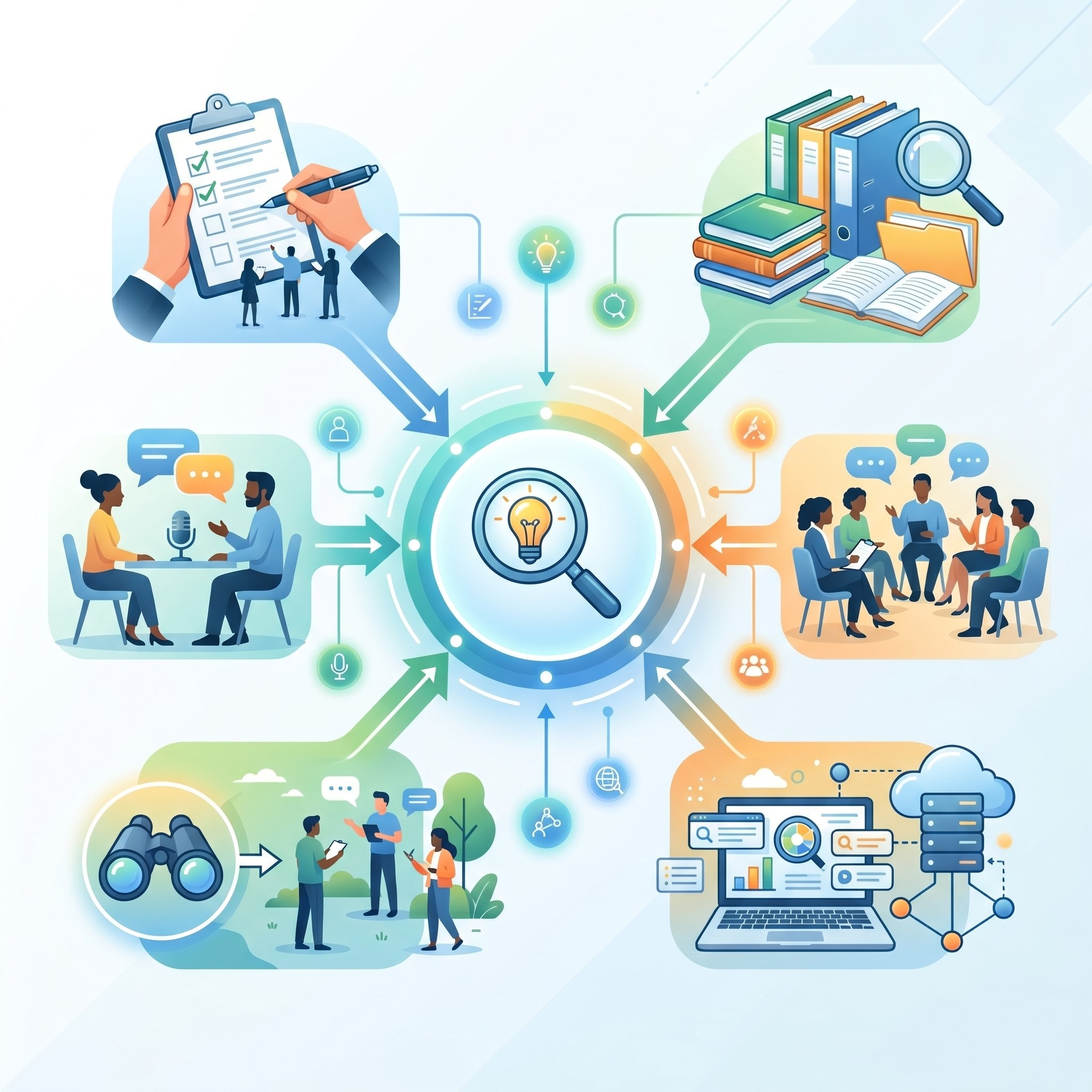 Collecting all these related facts requires systematic methods. Organizations cannot simply guess or rely on scattered notes. They use specific tools to ensure the information they gather is accurate, organized, and easy to analyze.
Starting Simple with a Data Collection Form
One of the most common and accessible ways to gather related information is through a data collection form. You have likely filled out hundreds of these in your lifetime. When you visit a new doctor, they hand you a clipboard with a form asking for your name, date of birth, medical history, and emergency contacts.
This form is designed specifically to build a collection of related data points about your health. It ensures that all the necessary information is gathered in one place, formatted consistently, and tied directly to you as the patient. Digital versions of these forms are heavily used by businesses to capture leads on websites, gather customer feedback, or register attendees for an event. They are simple to set up and highly effective for straightforward data gathering.
Going Mobile with a Data Collection App
As technology has advanced, the methods for gathering information have moved away from static forms and into dynamic, mobile solutions. A data collection app allows users to input information on the go using smartphones or tablets.
These apps are incredibly useful for field workers. Imagine a biologist studying plant species in a forest. Instead of carrying a paper notebook that could get wet or lost, they use an app on their tablet. They can log the species type, snap a photo, record the exact GPS coordinates, and note the weather conditions—all at once. The app automatically groups these items into a neat collection of related data points, instantly syncing them to a central database. This eliminates the need for manual data entry later and vastly reduces the chance of human error.
Scaling Up with Data Collection Software
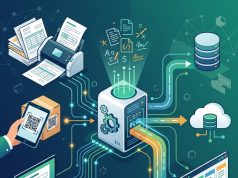
For large organizations managing massive volumes of information, simple forms and mobile apps are often part of a much larger ecosystem. They rely on robust data collection software to handle the heavy lifting.
This software can automatically pull data from multiple sources. An e-commerce company’s software might track website clicks, monitor inventory levels, and process payment information simultaneously. The software then organizes this massive influx of information, ensuring that a customer’s browsing history is correctly linked to their eventual purchase. By using advanced software, businesses can manage millions of related data points securely, ensuring compliance with privacy laws while keeping the information accessible for analysis.
Real-World Examples in Action
To truly grasp the power of organizing data, it helps to look at how different industries apply this concept to solve problems and improve lives.
Healthcare and Patient Records
In the medical field, a collection of related data points can save lives. Electronic Health Records (EHR) are essentially massive databases built on this exact concept. When a patient arrives at the emergency room, the doctors need a comprehensive view of their health history.
The related data points for that patient include past surgeries, known allergies, current medications, blood type, and recent test results. By viewing this collection as a whole, a doctor can quickly determine if a specific treatment might cause an allergic reaction or interfere with a medication the patient is already taking. If these data points were stored separately or disconnected, the risk of a dangerous medical error would skyrocket.
Streaming Services and Entertainment
Think about your favorite streaming platform. Have you ever wondered how it consistently recommends shows and movies that you actually want to watch? The platform builds a unique collection of related data points based on your viewing habits.
It tracks what genre you watch, what time of day you log in, how long you stay engaged before pausing, and which shows you binge-watch versus which ones you abandon after ten minutes. The algorithm connects all these behaviors to create a profile of your tastes. It then compares your profile to millions of other users with similar habits to predict exactly what you will want to click on next.
The Importance of Data Accuracy
 Accurate data is essential when building a collection of related data points. Even a small mistake in one record can lead to incorrect analysis and poor decision-making. For example, if a business accidentally records the wrong customer age or purchase amount, marketing campaigns may target the wrong audience. Data accuracy becomes even more critical in industries like healthcare and finance, where errors can have serious consequences. Organizations use validation systems, automated checks, and standardized formats to reduce mistakes during data collection. Employees are also trained to input information carefully and consistently. Clean and reliable data improves reporting, strengthens business strategies, and increases trust in the information being analyzed. Without accuracy, even the largest data collection loses much of its value and usefulness.
How Cloud Technology Supports Data Management
Cloud technology has transformed the way organizations store and manage collections of related data points. Instead of keeping information on a single physical computer or server, businesses now use cloud-based systems that allow data to be accessed securely from anywhere in the world. This flexibility improves collaboration because teams can update and review information in real time. Cloud platforms also provide automatic backups, reducing the risk of losing valuable records due to hardware failures or cyberattacks. Many companies choose cloud solutions because they can scale storage capacity as their data grows. Whether a business manages customer records, financial transactions, or research findings, cloud technology helps organize information efficiently while supporting faster access, stronger security, and improved operational performance across multiple departments.
Data Privacy and Security Challenges
 As organizations collect larger amounts of information, protecting data privacy becomes increasingly important. A collection of related data points often contains sensitive details such as names, addresses, financial information, and personal preferences. If this information falls into the wrong hands, it can lead to identity theft, fraud, or legal issues. Companies must follow strict security practices to keep their data safe. This includes using encryption, password protection, access controls, and regular security audits. Governments around the world have also introduced privacy regulations that require businesses to handle customer information responsibly. Building trust with users depends heavily on strong data protection measures. Organizations that prioritize privacy and security are better prepared to manage risks while maintaining customer confidence in digital environments.
The Role of Artificial Intelligence in Data Analysis
Artificial intelligence plays a major role in analyzing collections of related data points. AI systems can process massive amounts of information much faster than humans, helping organizations identify patterns, trends, and predictions with greater accuracy. For example, online retailers use AI to analyze customer browsing habits and recommend products based on purchasing behavior. Financial institutions rely on AI to detect suspicious transactions and reduce fraud risks. In healthcare, AI helps doctors analyze patient records and identify potential health concerns earlier. Machine learning algorithms continue improving as they process more data over time. This ability allows businesses and researchers to gain deeper insights and make smarter decisions. As technology advances, artificial intelligence will continue transforming the way organizations organize, interpret, and use data.
Using Data Visualization for Better Understanding
Large collections of related data points can become difficult to understand when presented only as rows of numbers or text. Data visualization helps solve this problem by turning information into charts, graphs, dashboards, and interactive reports. Visual formats make it easier to identify trends, compare values, and communicate insights clearly. Businesses often use dashboards to monitor sales performance, website traffic, or customer behavior in real time. Scientists use graphs and visual models to explain research findings more effectively. Even simple pie charts and bar graphs can help people understand complex information quickly. Effective data visualization improves communication between teams and supports faster decision-making. By presenting information visually, organizations can transform complicated datasets into meaningful stories that are easier for people to interpret and use.
Future Trends in Data Collection and Analytics
The future of data collection and analytics will be shaped by faster technology, smarter automation, and growing digital connectivity. Businesses are increasingly using Internet of Things devices, wearable technology, and smart sensors to gather real-time information automatically. Artificial intelligence and machine learning tools will continue improving predictive analytics, allowing organizations to forecast customer behavior and market trends more accurately. Automation will also reduce the need for manual data entry, improving speed and efficiency. As digital ecosystems expand, businesses will need stronger cybersecurity systems and stricter privacy protections to manage sensitive information responsibly. Edge computing and advanced cloud platforms are expected to process data more quickly and efficiently. These innovations will allow organizations to gain deeper insights from related data points and make faster, more informed strategic decisions.
Frequently Asked Questions (FAQ)
What is a collection of related data points?
A collection of related data points is a group of connected pieces of information organized around a specific subject, person, event, or process. Together, these data points provide meaningful insights and context.
What is a data point?
A data point is a single piece of information or fact, such as a number, date, word, or measurement. On its own, it may not provide much meaning until connected with other related data.
Why are related data points important?
Related data points help businesses, researchers, and organizations identify patterns, make informed decisions, improve efficiency, and solve complex problems using organized information.
How do businesses use collections of related data points?
Businesses use related data points to understand customer behavior, track sales performance, personalize marketing campaigns, manage inventory, and improve customer experiences.
What is the difference between raw data and related data points?
Raw data consists of isolated facts without context, while related data points are organized and connected to provide meaningful information and actionable insights.
Turning Information Into Strategy
Understanding a collection of related data points allows you to see the hidden structures that drive the modern world. It takes isolated, meaningless facts and weaves them into stories that can improve efficiency, boost sales, and drive innovation.
Whether you are a small business owner setting up your first customer feedback survey or a researcher tracking environmental changes, organizing your information is the key to success. Start by clearly defining what you need to know. Choose the right tools—be it a simple form, a mobile app, or comprehensive software—to gather your facts accurately. Once you connect the dots, you will find that the answers to your biggest questions were hiding in the data all along.