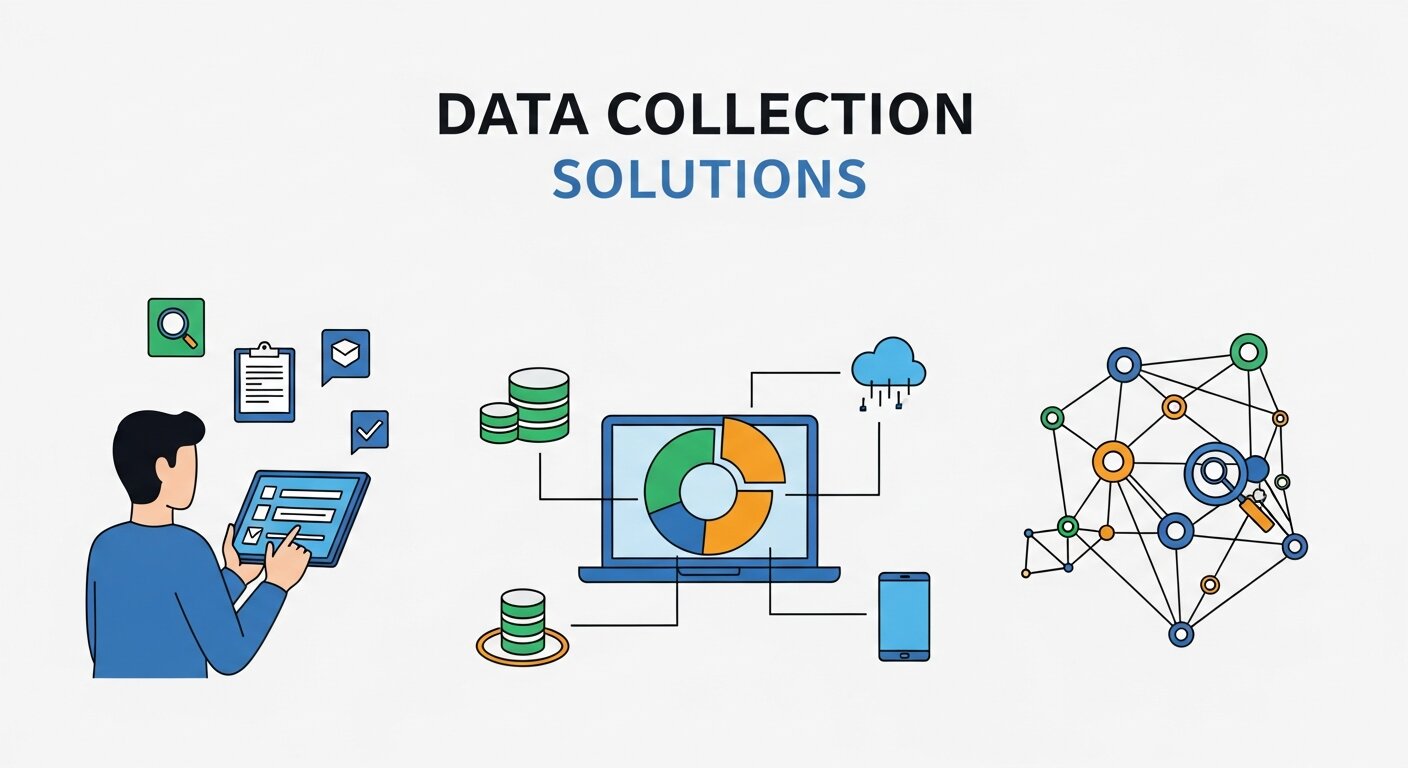
Every business wants to know exactly what its customers are thinking. You want to know why they abandon their shopping carts, what features they wish your product had, and how they truly feel about your brand. Guessing these answers often leads to wasted resources and missed opportunities. The key to unlocking this information lies in gathering accurate, actionable feedback directly from your audience.
Gathering this information effectively requires the right strategy and tools. When you rely on assumptions, you risk alienating the very people you want to serve. Customers expect personalized experiences, and they quickly lose interest in brands that fail to understand their needs. To bridge the gap between what you offer and what your audience expects, you need a systematic approach to gathering insights.
This is where implementing robust data collection solutions becomes essential. By capturing information at every touchpoint, you can build a comprehensive profile of your audience. You move away from blind assumptions and start making informed, strategic decisions.
In this article, we will explore the different tools and methods available to help you understand your buyers. We will cover the types of information you should track, the best platforms to use, and how to turn those raw numbers into actionable growth strategies.
Why Customer Data Matters
Information is the foundation of any successful business strategy. When you understand your audience, you can tailor your marketing campaigns, improve your product offerings, and provide exceptional customer support. Without accurate metrics, your business operates in the dark.
First, having detailed metrics allows for hyper-personalization. Consumers are constantly bombarded with generic advertisements and offers. When you use accurate insights to personalize your messaging, you stand out. You can send targeted emails based on past purchases or recommend products that genuinely align with a user’s interests. This level of personalization significantly increases conversion rates and builds brand loyalty.
Second, continuous feedback helps you improve your products or services. If multiple users report the same issue, you know exactly what to fix. If they request a specific feature, you have a roadmap for future development. Listening to your audience ensures that your business evolves in a direction that guarantees continued demand.
Finally, analyzing buyer behavior helps you optimize your sales funnel. You can identify exactly where potential buyers drop off and make necessary adjustments. If you notice a high bounce rate on a specific landing page, you can test new layouts or copy. Metrics give you the power to find friction points and eliminate them.
Types of Customer Data You Should Collect
 Before you choose your tools, you need to know what you are looking for. Gathering every single metric available will quickly lead to analysis paralysis. Instead, focus on four main categories of insights.
Demographic Data
Demographic information provides a basic outline of who your buyers are. This includes age, gender, location, income level, education, and occupation. While this information alone won’t tell you why someone buys your product, it is critical for segmenting your audience and creating basic buyer personas. You can easily gather this information during the initial account creation process or through a simple onboarding survey.
Behavioral Data
Behavioral metrics track how users interact with your brand. This includes website navigation paths, click-through rates, time spent on specific pages, and purchase history. Tracking behavior tells you what your audience is actually doing, rather than what they say they are doing. If a user frequently visits your pricing page but never converts, behavioral tracking highlights this hesitation, allowing you to trigger a targeted discount email to push them over the finish line.
Psychographic Data
Psychographic information digs into the psychological attributes of your audience. It covers their values, beliefs, interests, lifestyle, and opinions. This type of insight helps you understand the motivations behind their purchasing decisions. Gathering psychographic details often requires more qualitative methods, such as open-ended survey questions or one-on-one customer interviews.
Transactional Data
Transactional information is the record of your audience’s purchase history. It includes what they bought, when they bought it, how much they spent, and what payment method they used. Monitoring transactional metrics allows you to identify your most valuable buyers, calculate customer lifetime value (CLV), and predict future buying patterns.
Top Data Collection Solutions for Businesses
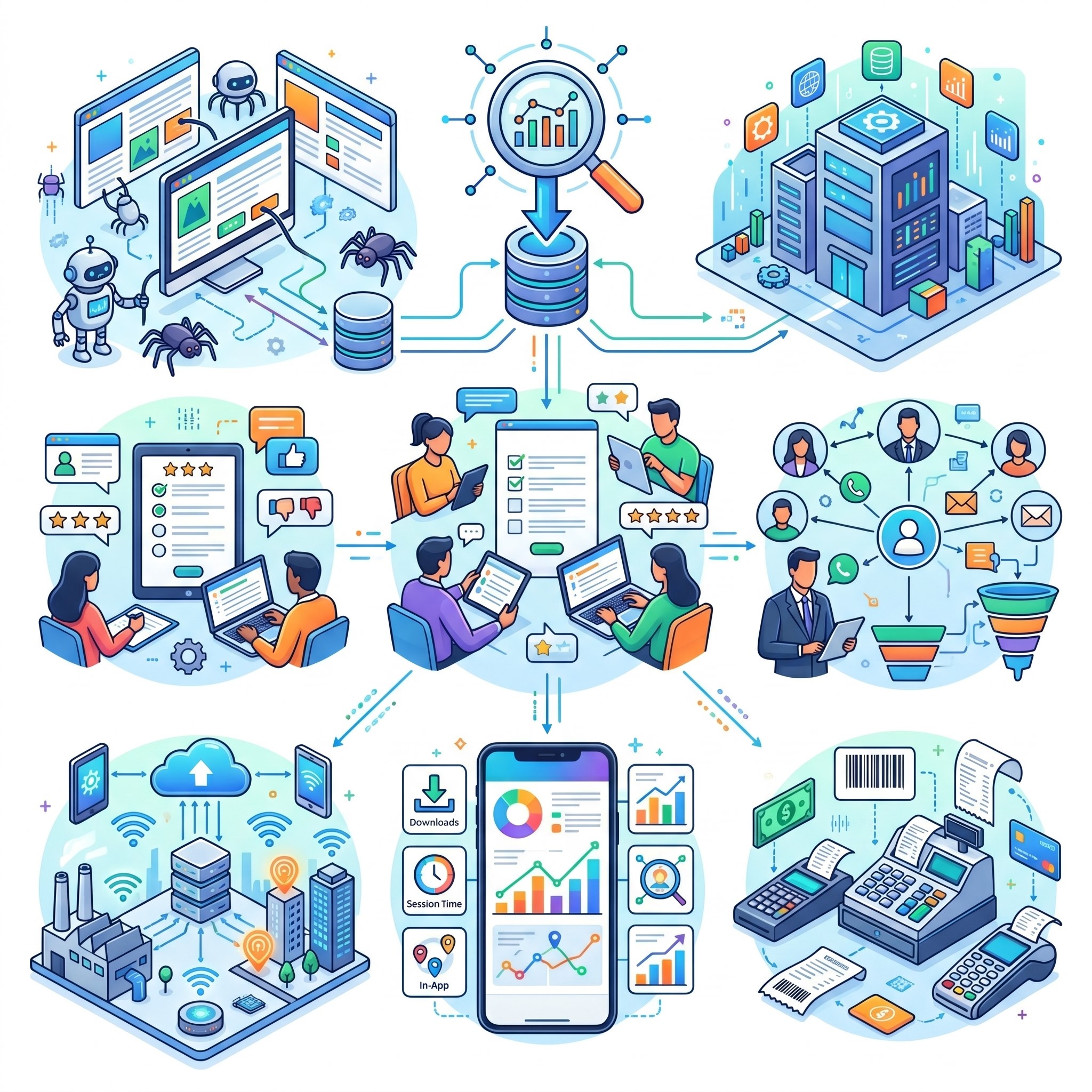 To gather these insights efficiently, you need the right technology stack. Relying on manual entry or outdated spreadsheets will result in errors and siloed information. Here are the core tools every business should consider.
Creating a Seamless Data Collection Form
The most direct way to gather information from your audience is by asking them. A well-designed data collection form is incredibly versatile. You can use forms for lead generation, customer satisfaction surveys, support tickets, and event registrations.
The key to a successful form is user experience. If your form is too long or complicated, users will abandon it. Keep your fields to a minimum, asking only for information you absolutely need. Use smart logic to hide irrelevant questions based on previous answers. For example, if a user indicates they are a student, the form should automatically skip questions about their corporate job title. Tools like Typeform, Google Forms, and Jotform make it easy to build intuitive, engaging forms that users actually want to complete.
Implementing Data Collection Software
For a more comprehensive approach, you need dedicated data collection software. This category includes Customer Relationship Management (CRM) systems, marketing automation platforms, and product analytics tools.
Software solutions act as the central hub for all your insights. A CRM like Salesforce or HubSpot automatically logs every interaction a user has with your company, from their first website visit to their latest support ticket. Analytics software like Google Analytics or Mixpanel tracks user behavior across your digital properties in real-time. By integrating these systems, you create a single source of truth for your entire organization. This ensures your marketing, sales, and support teams are always operating with the same information.
Using a Mobile Data Collection App
If your business operates offline or in the field, a data collection app is essential. These apps allow your team to gather insights on mobile devices, even without an internet connection.
Imagine you are running a booth at a busy trade show. Instead of asking attendees to fill out paper forms that someone has to manually type up later, your team can use an app on a tablet to capture leads instantly. The app then syncs this information directly to your CRM the moment the device reconnects to Wi-Fi. Apps like Device Magic, GoCanvas, and Fulcrum streamline field operations, reduce human error, and ensure information is processed immediately.
Best Practices for Gathering Customer Insights
Having the right tools is only half the battle. You also need to follow best practices to ensure the information you gather is accurate, ethical, and useful.
Prioritize Consent and Transparency
Privacy concerns are at an all-time high. Consumers are highly protective of their personal information. To build trust, you must be completely transparent about what you are tracking and why. Always obtain explicit consent before gathering personal details, especially to comply with regulations like GDPR or CCPA. Clearly explain how the information will be used to improve their experience, and make it easy for users to opt out or request their information be deleted.
Offer Incentives for Feedback
People value their time. If you want them to fill out a lengthy survey or participate in an interview, you need to offer something in return. Incentives dramatically increase response rates. You can offer a discount code, a free resource, entry into a giveaway, or even an extension on their software trial. Ensure the incentive matches the amount of effort required to provide the feedback.
Keep Your Clean and Organized
Raw numbers are useless if they are messy and disorganized. Duplicate records, outdated contact information, and formatting errors will skew your analysis and lead to poor business decisions. Establish a routine for cleaning your database. Use automation rules within your software to merge duplicate contacts and prompt users to update their profiles periodically.
Avoid Bias in Your Questions
When designing a survey or a data collection form, the way you phrase your questions significantly impacts the answers you receive. Avoid leading questions that push the respondent toward a specific answer. Instead of asking, “How much do you love our new feature?” ask, “How would you rate your experience with our new feature?” Keep your questions neutral, clear, and easy to understand to ensure the feedback you receive is genuine.
How to Analyze and Apply Your New Data
 Gathering the information is just the first step. The real value comes from analysis and application. Once you have a steady stream of insights flowing into your systems, you need to put it to work.
Start by looking for trends and patterns. Are buyers from a specific region churning at a higher rate? Do users who engage with your educational content have a higher lifetime value? Identifying these trends allows you to adjust your strategy proactively.
Next, segment your audience based on your findings. Instead of treating your entire user base as a single entity, group them by behavior, demographics, or purchase history. Create specific marketing campaigns tailored to each segment. A campaign aimed at power users should look vastly different from a campaign aimed at users who haven’t logged in for a month.
Finally, share your findings across your entire organization. Customer insights shouldn’t be locked away in the marketing department. Your product team needs to see feature requests. Your sales team needs to understand the common objections buyers have. Your support team needs to know which bugs are causing the most frustration. When the entire company operates based on accurate insights, the customer experience improves dramatically.
Frequently Asked Questions (FAQ)
What is the difference between quantitative and qualitative data?
Quantitative metrics involve numbers and hard facts. It answers questions like “how many” or “how often.” Website traffic, conversion rates, and purchase amounts are quantitative. Qualitative insights involve opinions, motivations, and feelings. It answers the “why” behind user behavior. Survey responses, reviews, and interview transcripts are qualitative. You need both to get a complete picture of your audience.
How do I choose the right data collection software for my small business?
Start by identifying your specific goals. If you need to track sales leads, look for a CRM. If you want to understand website behavior, look for web analytics tools. Consider your budget, the technical expertise of your team, and how easily the new software will integrate with your existing tools. Many platforms offer free trials, allowing you to test the interface before committing to a contract.
Are data collection apps secure?
Reputable data collection apps take security very seriously. They use encryption to protect information both in transit and at rest. When choosing an app, look for providers that comply with industry standards and regulations like SOC 2, HIPAA (if applicable), and GDPR. Always enforce strong password policies and multi-factor authentication for your team members using the app.
How often should I ask my customers for feedback?
Timing is critical. If you ask too often, you will annoy your audience and cause survey fatigue. If you rarely ask, you will miss out on valuable insights. Trigger feedback requests based on specific milestones. For example, send a quick survey right after a purchase is completed, or a few days after a customer support ticket is resolved. For general relationship surveys, like Net Promoter Score (NPS), once or twice a year is usually sufficient.
Turn Customer Insights Into Business Growth
Understanding your audience is an ongoing process. Consumer preferences shift, market conditions change, and new competitors emerge. To stay ahead, you must commit to continuously gathering, analyzing, and acting upon customer feedback.
By implementing the right data collection solutions, you empower your team to make decisions based on reality rather than guesswork. Whether you are using a simple data collection form to generate leads, robust data collection software to track behavior, or a mobile data collection app to gather insights in the field, the goal remains the same: to serve your customers better.