Information drives modern business decisions. Gathering that information efficiently, however, can be a major operational challenge. Paper forms often get lost in transit, manual data entry leads to frustrating errors, and disconnected systems create massive administrative bottlenecks.
A data collection app solves these exact problems by digitizing the entire data-gathering process. Mobile and desktop applications allow field workers, researchers, and office staff to gather, store, and share information instantly from almost any device. Instead of waiting days for clipboards to return to the office, managers can view field data the second it gets submitted.
Organizations of all sizes are replacing outdated spreadsheets and paper trails with dedicated software. These platforms do much more than simply record text. They capture photos, scan barcodes, log GPS coordinates, and trigger automated workflows.
If you are evaluating software to improve your operations, understanding the core functionality is the best place to start. This guide explains the essential features, major business benefits, and common industry use cases of a modern data collection app.
What is a Data Collection App?
At its core, a data collection app is a software application designed to gather information electronically. Users typically install these apps on smartphones, tablets, or access them via web browsers. Organizations use them to build custom forms, deploy surveys, and record specific data points required for their daily operations.
These tools bridge the gap between field operations and the central office. When a worker submits a form on their mobile device, the information instantly syncs with a centralized database. Managers can then review the data, generate reports, or trigger subsequent business processes without any manual intervention.
Key Features of a Modern Platform
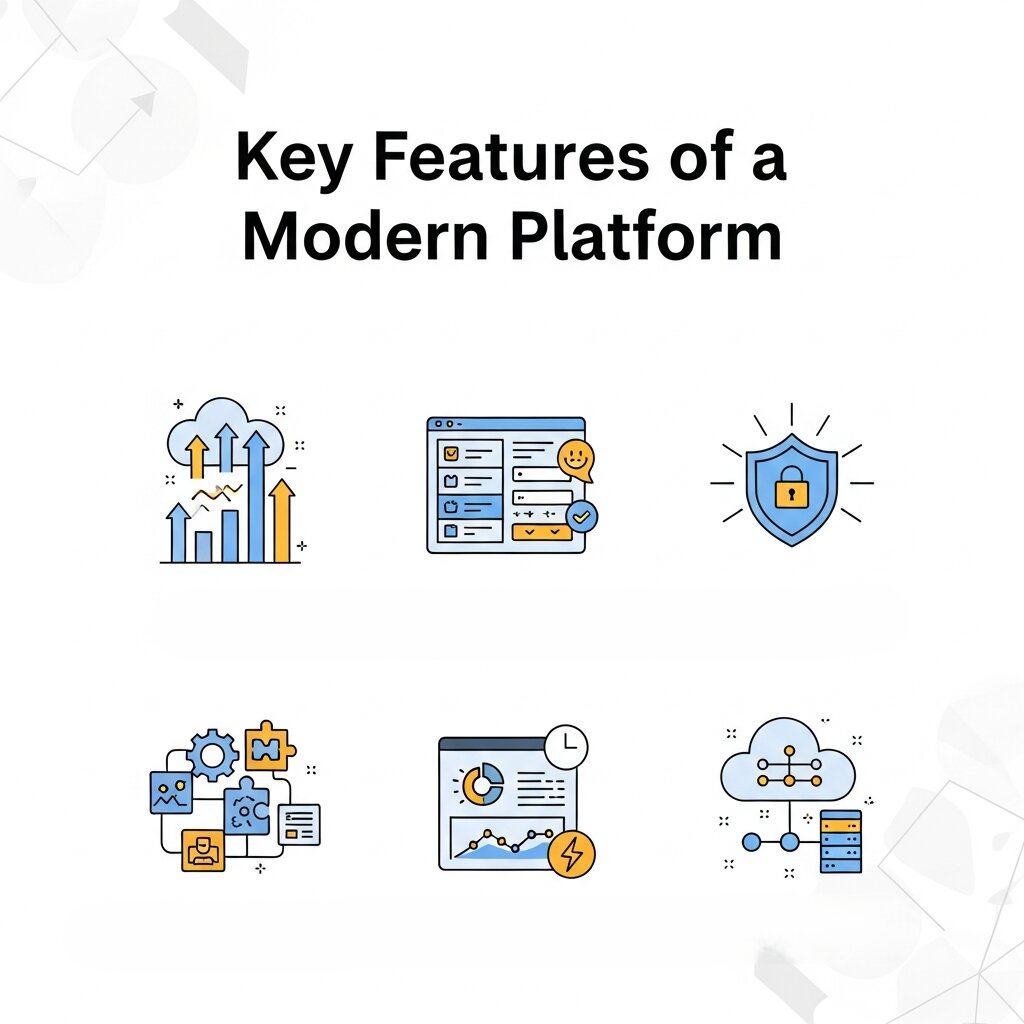 Not all data collection software is created equal. The most effective platforms offer a robust set of features designed to handle complex organizational needs.
Custom Form Building
Every business tracks different metrics. A quality data collection app provides a drag-and-drop form builder that requires no coding experience. You can create fields for text, numbers, dropdown menus, checkboxes, and dates. Advanced builders also allow for conditional logic. This means specific questions only appear based on the answers provided to previous questions, keeping forms clean and relevant for the user.
Offline Capabilities
Field teams often work in remote areas with poor or nonexistent cellular service. The best applications allow users to continue capturing data without an internet connection. The app stores the information locally on the device and automatically syncs it to the cloud the moment a connection is reestablished.
Automated Data Collection
Manual entry is slow and prone to human error. Modern platforms utilize automated data collection features to streamline the process. Users can scan QR codes to instantly populate inventory details, use GPS to automatically log their exact location, or capture electronic signatures directly on the screen. This automation speeds up the entire workflow and ensures high accuracy.
Rich Media Capture
Sometimes, text is not enough to describe a situation. Field workers frequently need to provide visual evidence of their work. A comprehensive app allows users to take photos, record audio clips, and attach existing files directly to their digital forms. This is especially useful for equipment inspections, property assessments, and incident reporting.
Real-Time Analytics and Integrations
Gathering data is only the first step. The true value comes from analyzing that information. Top-tier apps include built-in dashboards that display real-time analytics. Furthermore, they integrate seamlessly with other software you already use, such as CRM systems, accounting software, and cloud storage providers.
Core Benefits for Your Business
 Transitioning from paper or basic spreadsheets to a dedicated app requires an initial investment of time and resources. However, the operational benefits quickly outweigh the setup costs.
Increased Accuracy and Reduced Errors
Human error is inevitable when people manually copy information from paper to a computer. A data collection app eliminates this transcription step entirely. You can also set specific validation rules within your forms. For example, you can require an email address to contain an “@” symbol or restrict a numerical field to a specific range. This ensures your database only receives clean, usable information.
Significant Time Savings
Administrative tasks consume hours of valuable company time. By utilizing automated data collection, employees spend less time filling out paperwork and more time focusing on their actual jobs. Instant syncing means office staff no longer have to wait for field workers to physically drop off their reports at the end of the week.
Enhanced Security and Compliance
Paper files can be easily lost, stolen, or destroyed. Digital records stored in secure cloud environments offer vastly superior protection. Leading apps provide role-based access control, ensuring employees only see the information necessary for their specific roles. This helps organizations maintain compliance with strict data privacy regulations like HIPAA or GDPR.
Common Use Cases Across Industries
The flexibility of these tools means they apply to almost any industry. Here are a few ways different sectors utilize this technology to improve their daily workflows.
Field Services and Inspections
Construction crews, pest control technicians, and HVAC specialists rely heavily on these apps. Technicians use them to complete safety checklists, log equipment maintenance, and generate customer invoices on site. The ability to attach photos of completed work provides indisputable proof of service.
Healthcare and Clinical Trials
Medical professionals use secure applications to onboard new patients, conduct health risk assessments, and track patient progress over time. In clinical research, scientists utilize automated data collection to gather vast amounts of trial data accurately, ensuring the integrity of their medical studies.
Retail and Inventory Management
Store managers deploy apps to conduct routine store audits, track inventory levels, and manage merchandising displays. Instead of counting items with a clipboard, employees simply scan barcodes with their mobile devices to instantly update the central database.
Market Research and Lead Generation
Marketing teams use digital forms at trade shows and events to capture potential customer information. They also deploy mobile surveys to gather customer feedback immediately after a purchase, providing instant insights into consumer satisfaction.
How to Choose the Right Tool for Your Team
Selecting the right software requires careful consideration of your specific operational needs. Start by mapping out your current data gathering process. Identify the biggest bottlenecks and the specific features that would solve those problems.
Evaluate the technical expertise of your team. If your staff is not particularly tech-savvy, prioritize platforms with highly intuitive, user-friendly interfaces. Consider your budget, keeping in mind that the cheapest option may lack critical security features or reliable customer support. Always take advantage of free trials to test the software in a real-world environment before making a final commitment.
Data Standardization and Consistency
 One of the biggest advantages of using a data collection app is the ability to standardize how information is gathered across your organization. When different teams use paper forms or spreadsheets, inconsistencies quickly appear in formatting, terminology, and data entry methods. A centralized application ensures that everyone follows the same structure and rules when submitting information. This consistency improves data quality and makes analysis far more reliable. Standardized data also simplifies reporting, as managers no longer need to clean or reformat information before using it. Over time, this creates a more organized and efficient system where every data point aligns with business objectives and supports better decision-making.
Scalability for Growing Businesses
As organizations expand, their data needs become more complex. A reliable data collection app is designed to scale alongside business growth. Whether you are adding new team members, expanding into new regions, or increasing the volume of collected data, the system can handle these changes without disrupting operations. Cloud-based platforms allow businesses to store and process large amounts of information without requiring expensive infrastructure upgrades. This scalability ensures that your workflows remain smooth and efficient, even as your organization evolves. Investing in scalable technology early prevents the need for frequent system replacements and supports long-term operational success.
Improved Team Accountability
Transparency is essential for maintaining accountability within teams, especially when employees work remotely or in the field. Data collection apps provide clear records of who submitted information, when it was submitted, and where it was collected. This level of visibility helps managers track performance and ensure that tasks are completed on time. It also reduces the chances of miscommunication or disputes, as all actions are documented within the system. Employees are more likely to follow procedures carefully when they know their work is being recorded and reviewed. As a result, organizations benefit from increased responsibility, improved workflow discipline, and stronger overall team performance.
Faster Decision-Making with Real-Time Data
In a fast-paced business environment, delays in accessing information can lead to missed opportunities. Data collection apps provide real-time updates, allowing decision-makers to act immediately based on current data. Instead of waiting for reports to be compiled manually, managers can view dashboards and insights as soon as data is submitted. This speed is particularly valuable in industries like logistics, healthcare, and retail, where conditions can change rapidly. Quick access to accurate information enables organizations to respond proactively rather than reactively. Ultimately, faster decision-making leads to improved efficiency, reduced risks, and a stronger competitive advantage in the market.
Environmental Impact and Sustainability
Switching from paper-based systems to digital data collection significantly reduces environmental impact. Traditional methods rely heavily on printed forms, which contribute to paper waste and increased resource consumption. By adopting a digital solution, organizations can minimize their reliance on physical materials and reduce their carbon footprint. Additionally, digital storage eliminates the need for large filing systems and physical storage spaces. This shift not only supports sustainability goals but also aligns with modern corporate responsibility standards. Businesses that prioritize eco-friendly practices often enhance their brand reputation while also achieving cost savings through reduced printing and storage expenses.
Custom Workflow Automation
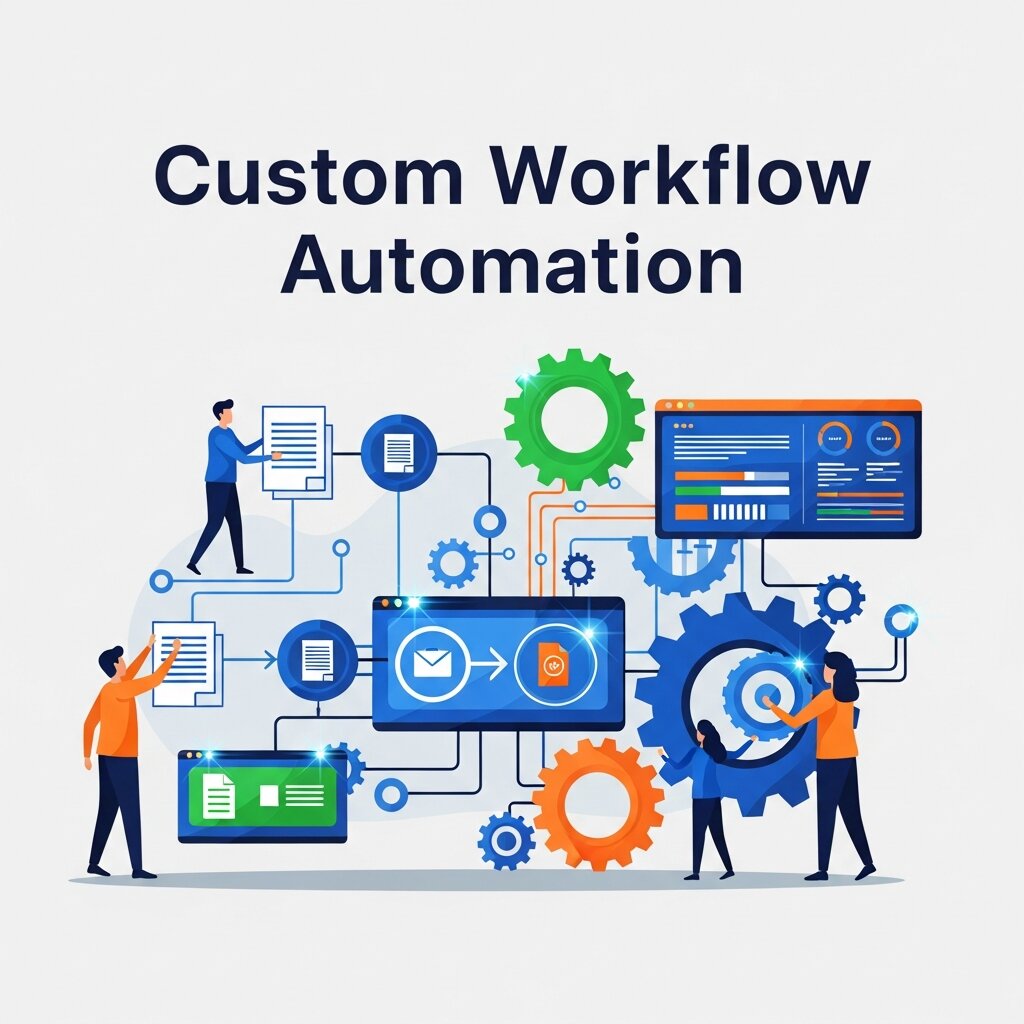 Beyond simple data entry, modern applications allow businesses to automate entire workflows based on collected information. For example, submitting a completed form can automatically trigger notifications, generate reports, or assign tasks to other team members. This level of automation reduces manual intervention and ensures that processes move forward without delays. Custom workflows can be tailored to fit specific operational needs, making them highly flexible across different industries. By automating repetitive tasks, organizations can improve efficiency, reduce human error, and ensure that critical actions are never overlooked. This creates a smoother and more reliable operational structure.
Enhanced Customer Experience
A well-implemented data collection app can directly improve how businesses interact with their customers. Faster data processing allows teams to respond to inquiries, service requests, and feedback more efficiently. For example, field agents can capture customer information and resolve issues on the spot without requiring follow-up visits. Accurate data also helps organizations personalize their services, leading to more meaningful customer interactions. When businesses operate efficiently behind the scenes, customers experience quicker response times and better service quality. Over time, this leads to increased satisfaction, stronger relationships, and improved customer retention, all of which are essential for long-term success.
Frequently Asked Questions (FAQs)
Do data collection apps work on both iOS and Android?
Yes, the vast majority of enterprise-grade applications are fully compatible with both major mobile operating systems. Many also offer web-based versions that can be accessed from any desktop or laptop computer.
How secure is the data stored in these apps?
Reputable providers utilize enterprise-level encryption to protect data both in transit and at rest. Always check a provider’s security credentials and compliance certifications before trusting them with sensitive organizational information.
Can I connect the app to my existing software?
Most modern platforms offer robust APIs and native integrations with popular business tools like Salesforce, Microsoft Power BI, Google Workspace, and Zapier. This allows data to flow seamlessly between your various systems.
Is coding knowledge required to build forms?
No. Leading applications feature intuitive drag-and-drop interfaces. Anyone who knows how to use a standard web browser can quickly learn how to build complex forms and deploy them to their team.
How much do these applications typically cost?
Pricing varies widely based on the features required and the number of users on your team. Many providers offer tiered subscription models, charging a monthly or annual fee per user.
Transform Your Data Strategy Today
Relying on outdated manual processes limits your organization’s growth and efficiency. Implementing a dedicated data collection app provides the speed, accuracy, and security necessary to thrive in a competitive landscape.
By automating routine tasks and centralizing your information, you empower your team to make faster, smarter business decisions. Take the time to evaluate your current workflows, test a few leading platforms, and begin building a more connected, data-driven operation today.