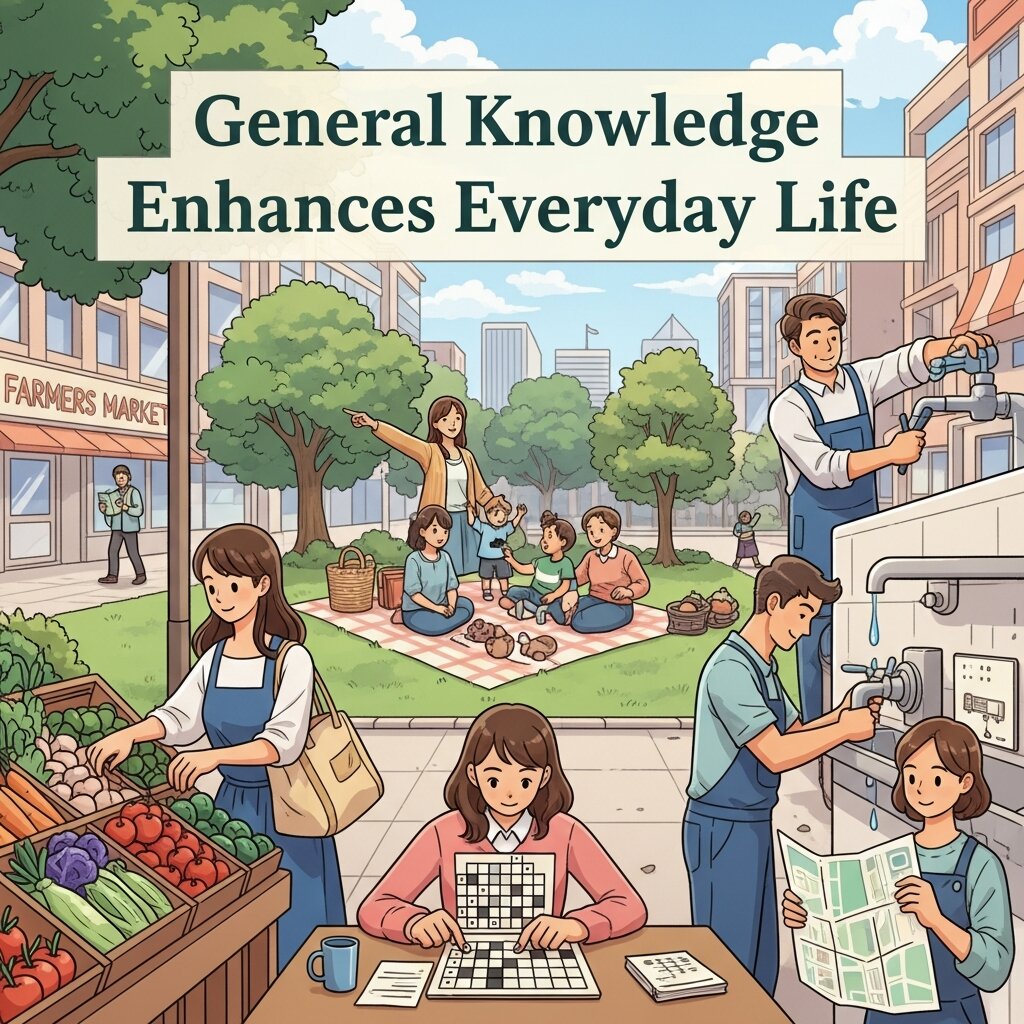
In a world where specialized expertise often takes center stage, cultivating a wide-ranging understanding of diverse topics remains a timeless advantage. Today, individuals who embrace general knowledge find themselves better equipped to engage in meaningful conversations, navigate complex decisions, and satisfy an innate curiosity about the world. In today’s digital landscape, the ability to draw on a broad spectrum of facts and concepts empowers you to connect ideas, spark creativity, and build confidence in both social and professional settings.
General knowledge serves as the foundation for lifelong learning, encouraging you to explore new fields—whether it’s the basics of astrophysics, landmark historical events, or insights into current environmental challenges. This year (2026), staying intellectually agile helps you keep pace with rapid changes in technology, culture, and global affairs. By integrating a habit of regular reading, questioning, and reflection, you’ll discover fresh perspectives that enrich your day-to-day life and foster personal growth. In the following sections, we’ll explore five key ways that general knowledge enhances modern living, offering practical benefits for communication, critical thinking, decision-making, cultural immersion, and ongoing education.
Improving Conversations and Social Bonds
One of the most immediate benefits of general knowledge is its power to transform everyday interactions. When you possess a reservoir of diverse information—from recent scientific breakthroughs to cultural milestones—you become a more engaging conversational partner. Small talk evolves into stimulating discussion, and your ability to reference intriguing facts or ask thoughtful questions deepens social connections.
Building Rapport Quickly
Imagine attending a networking event where attendees share insights on topics as varied as renewable energy, classical literature, and global cuisines. By drawing on general knowledge, you can join discussions with confidence, offering anecdotes or posing insightful follow-up questions. This level of engagement helps you establish rapport faster and leaves a memorable impression on new acquaintances.
Strengthening Existing Relationships
General knowledge also plays a key role in nurturing relationships you already have. When friends or family members discuss recent documentaries or policy debates, your informed contributions show that you value their interests and viewpoints. These meaningful exchanges not only reinforce bonds but also broaden your outlook as you absorb perspectives from different backgrounds.
According to research at Stanford University, individuals who engage in intellectually stimulating conversations report higher levels of relationship satisfaction and emotional well-being (source). By actively cultivating general knowledge, you’ll find yourself at the heart of conversations—reflecting curiosity and demonstrating empathy in equal measure.
Enhancing Critical Thinking and Problem Solving
 Beyond social benefits, general knowledge sharpens your analytical abilities. Exposure to foundational concepts in logic, statistics, psychology, and beyond enables you to identify patterns and draw connections that might otherwise go unnoticed. When faced with a challenge—whether at work or in daily life—this mental toolkit allows you to weigh options systematically and arrive at well-reasoned solutions.
Applying Interdisciplinary Insights
For instance, understanding basic statistical principles can help you interpret data-driven reports with greater confidence. Similarly, a rudimentary grasp of behavioral psychology allows you to anticipate how people might respond to different approaches, improving outcomes in negotiations or team collaborations. By weaving together lessons from various fields, your problem-solving style becomes both creative and robust.
Cultivating Analytical Habits
Regularly engaging with new information—such as signing up for free courses offered by institutions like the National Institutes of Health—provides ongoing mental exercise. Consistent exposure to fresh ideas not only reinforces memory but also boosts cognitive flexibility. In fact, research from the NIH indicates that intellectual activities can enhance critical thinking skills and may contribute to long-term brain health.
As you refine your analytical capabilities, you’ll notice improved efficiency when dissecting complex issues. From evaluating market trends in a business setting to troubleshooting household problems, general knowledge becomes a key driver of effective reasoning and decisive action.
Informing Better Decision Making
Well-informed choices come from having context. Access to a broad base of general knowledge ensures you consider relevant factors before arriving at conclusions. Whether you’re selecting a balanced diet, planning personal finances, or adopting eco-friendly habits, understanding basic principles in nutrition, economics, and environmental science guides you toward healthier, more sustainable decisions.
Navigating Health and Wellness
Knowing fundamental facts about macronutrients, exercise physiology, and mental health enables you to craft routines that align with your well-being goals. You’ll recognize the importance of hydration, balanced meals, and restorative sleep, making lifestyle adjustments that yield measurable benefits over time.
Understanding Financial and Environmental Impacts
On the financial front, grasping the basics of budgeting, interest rates, and inflation helps you manage expenses and savings more effectively. Likewise, awareness of climate science and resource management motivates eco-conscious behaviors—such as reducing single-use plastics or supporting renewable energy initiatives. External resources like the Environmental Protection Agency’s guidelines (EPA) provide reliable data to inform your sustainable choices.
By leveraging general knowledge, you’ll find that decisions become more deliberate and data-driven, minimizing reliance on impulsive judgments or misinformation. This enhances your confidence and ensures that each choice aligns with both your short-term needs and long-term aspirations.
Deepening Travel and Cultural Experiences
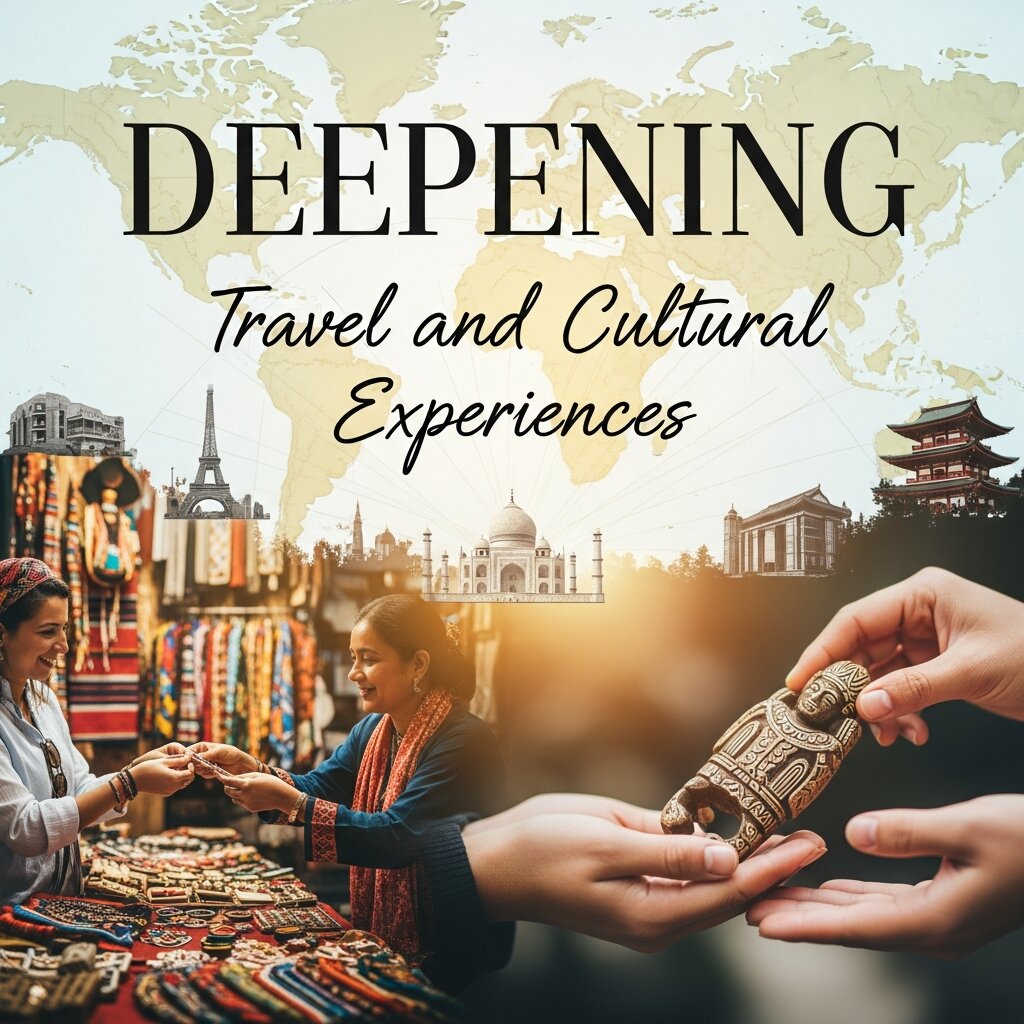 Travel transforms when you approach new destinations armed with context. General knowledge of geography, language basics, and cultural traditions turns routine sightseeing into immersive learning adventures. Instead of merely observing monuments, you’ll understand their historical significance and societal relevance.
Connecting with Local Communities
Familiarity with local customs—greetings, dining etiquette, and social norms—demonstrates respect and openness, fostering genuine connections with residents. This cultural awareness can unlock off-the-beaten-path experiences, from family-run eateries to community festivals. Your conversations with locals will flow more naturally when you reference shared history or regional anecdotes.
Maximizing Educational Value
Whether exploring ancient ruins or modern art galleries, general knowledge equips you to ask informed questions and interpret exhibits with depth. University-sponsored travel study programs emphasize the importance of contextual understanding, highlighting how informed travelers gain richer insights and foster cross-cultural empathy.
By blending curiosity with background knowledge, your journeys become more than vacations—they evolve into meaningful exchanges that broaden your worldview and inspire lasting memories.
Cultivating Lifelong Learning Habits
At its core, general knowledge fuels an enduring spirit of inquiry. When you approach each day as an opportunity to learn—exploring new scientific theories, artistic movements, or technological innovations—you embed a habit that keeps your mind active and receptive to change.
Harnessing Digital Resources
Today, countless platforms offer free or low-cost courses from leading universities and research centers. Embracing these resources cultivates intellectual curiosity, allowing you to sample subjects that might one day support a career pivot or personal passion project.
Sharing Insights and Collaborating
As you accumulate knowledge, sharing discoveries with peers reinforces your learning and sparks collective growth. Discussion forums, book clubs, and professional networks all benefit from your broadened perspective. This collaborative exchange amplifies the impact of general knowledge, as each participant contributes unique insights.
By embedding lifelong learning into your routine—whether through daily reading, podcasts, or webinars—you’ll build a resilient, adaptable mind that thrives on novelty and innovation. In today’s fast-paced environment, such agility is an invaluable asset for both personal fulfillment and professional success.
Boosting Creativity Through General Knowledge
General knowledge plays a major role in strengthening creativity by helping individuals connect ideas from different subjects and experiences. When people explore topics such as science, literature, technology, and history, they develop the ability to think beyond conventional boundaries. These diverse insights often inspire innovative solutions, artistic expression, and fresh perspectives in both personal and professional settings. For example, understanding historical inventions may inspire modern technological ideas, while knowledge of global cultures can influence creative storytelling or design concepts. In today’s fast-changing world, creativity is increasingly valuable across industries, education, and entrepreneurship. By continuously expanding general knowledge, individuals train their minds to approach challenges with imagination, adaptability, and curiosity, ultimately encouraging more original and effective thinking patterns.
The Role of General Knowledge in Academic Success
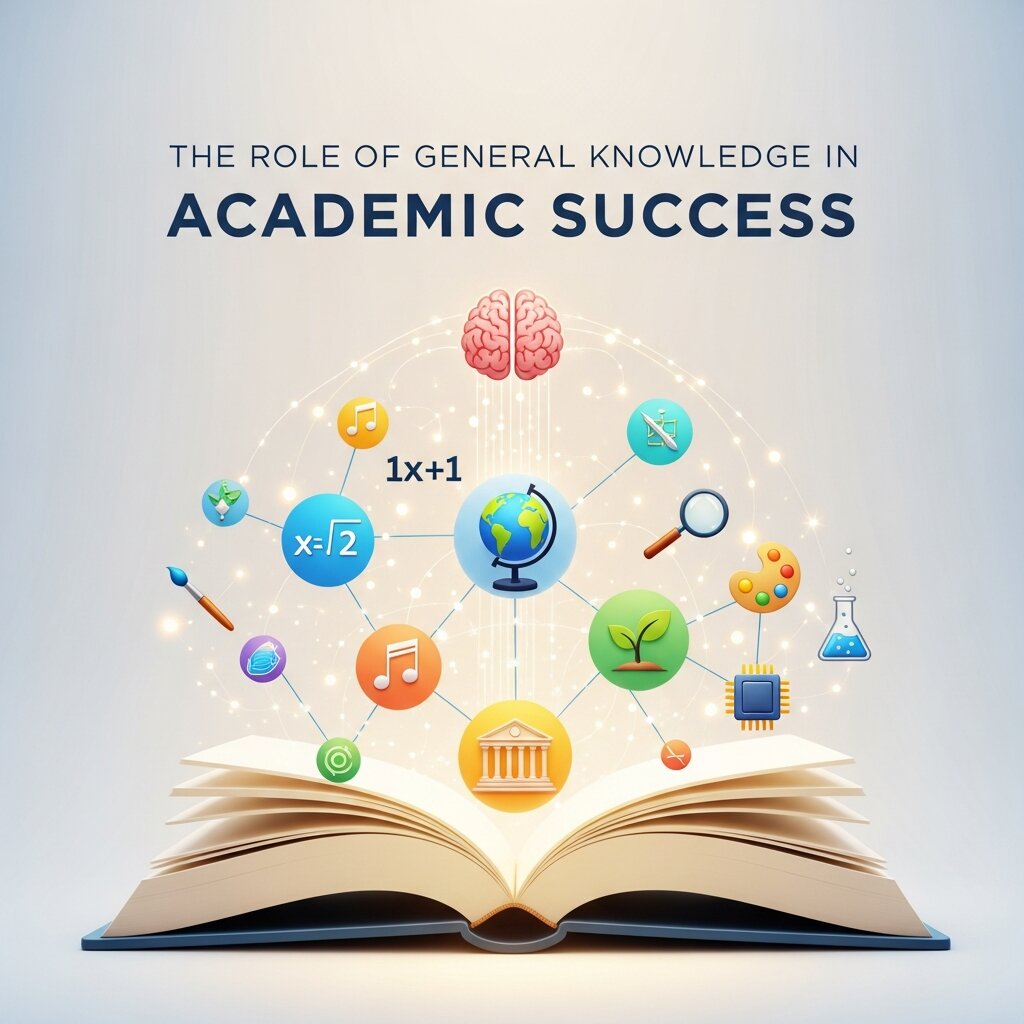 Students with strong general knowledge often perform better academically because they can understand concepts more quickly and connect information across subjects. Knowledge of history, geography, current affairs, and science improves reading comprehension, essay writing, and classroom discussions. General awareness also helps students develop confidence during presentations, interviews, and competitive examinations. In this year (2026), educational systems increasingly value interdisciplinary learning, where students apply ideas from multiple fields to solve complex problems. A broad knowledge base allows learners to ask better questions, think critically, and participate actively in collaborative projects. Beyond examination performance, general knowledge nurtures intellectual curiosity and encourages independent learning habits that support long-term academic growth, adaptability, and success in higher education environments.
Using Technology to Expand General Knowledge
Modern technology has made access to information faster and more convenient than ever before. Smartphones, educational apps, podcasts, online courses, and digital libraries allow individuals to explore countless subjects from anywhere in the world. Social media platforms and video-sharing websites also provide opportunities to discover educational content on science, culture, health, business, and global events. However, it is important to rely on trustworthy sources and verify information before accepting it as accurate. In today’s digital landscape, developing digital literacy skills is essential for distinguishing credible knowledge from misinformation. By using technology wisely, individuals can continuously update their understanding of current trends, improve learning efficiency, and cultivate a lifelong habit of curiosity that supports both personal and professional development.
General Knowledge and Leadership Development
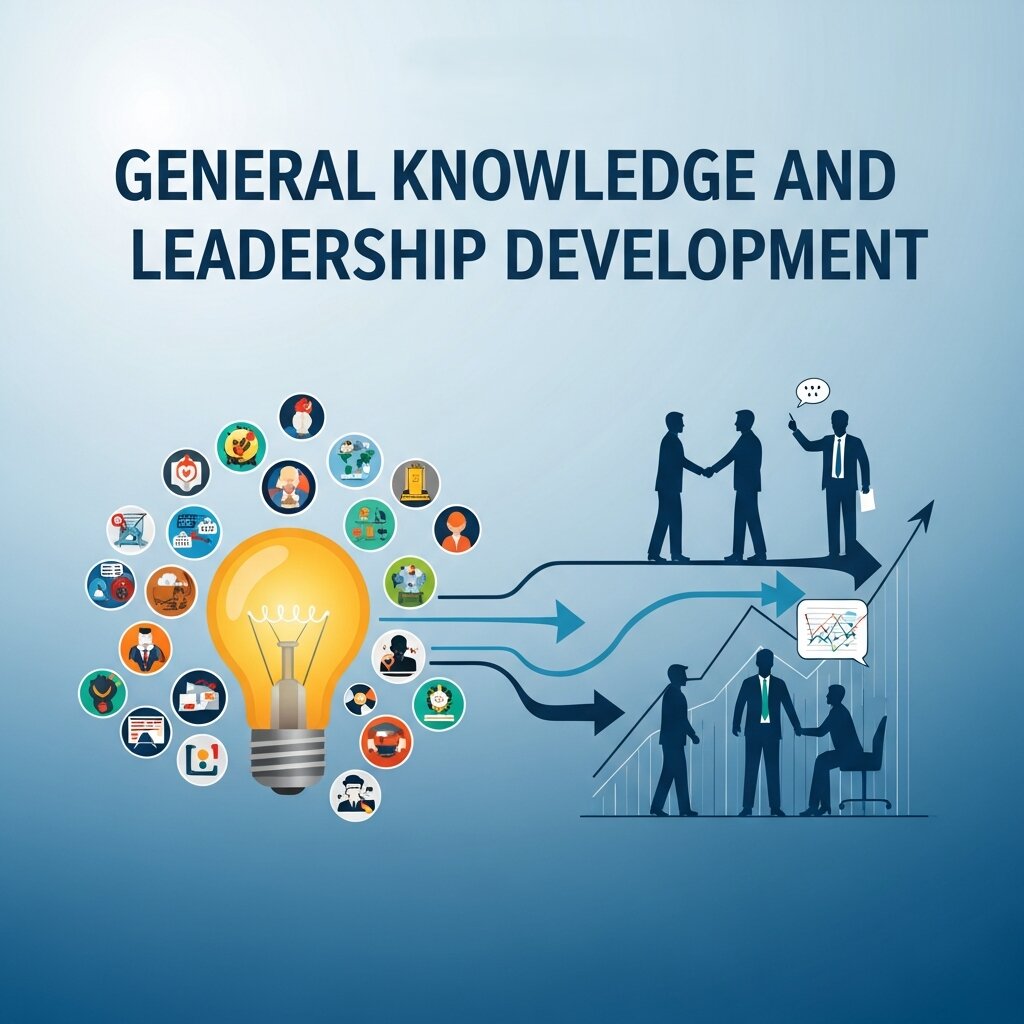 Effective leaders often possess strong general knowledge because leadership requires understanding people, industries, cultures, and global issues. Leaders who stay informed can communicate ideas clearly, make better strategic decisions, and adapt quickly to changing situations. Knowledge of economics, psychology, technology, and international affairs helps leaders evaluate risks and identify opportunities more effectively. In workplaces, leaders with broad awareness are better equipped to inspire teams, resolve conflicts, and encourage innovation. General knowledge also enhances emotional intelligence by helping individuals appreciate different perspectives and social dynamics. This year (2026), organizations increasingly value adaptable leaders who can think critically across disciplines rather than relying solely on technical expertise. Building general knowledge, therefore, contributes significantly to stronger leadership skills and professional credibility.
Developing Daily Habits for Continuous Learning
Building general knowledge does not require drastic lifestyle changes; small daily habits can create significant long-term growth. Reading articles each morning, listening to educational podcasts during travel, or watching informative documentaries regularly can gradually expand understanding across many subjects. Setting aside dedicated learning time each day helps establish consistency and intellectual discipline. Joining discussion groups, participating in quizzes, and following reputable educational platforms also encourage active engagement with new ideas. In today’s busy environment, even short learning sessions can improve awareness and critical thinking over time. Developing curiosity-driven habits keeps the mind active, reduces mental stagnation, and encourages continuous self-improvement. These consistent learning practices ultimately strengthen confidence, adaptability, and lifelong intellectual development in both personal and professional life.
Frequently Asked Questions
What is general knowledge?
General knowledge refers to a broad understanding of different subjects such as history, science, geography, culture, technology, and current events. It helps individuals stay informed, participate in meaningful discussions, improve decision-making abilities, and develop a deeper understanding of the world around them in everyday life.
Why is general knowledge important in daily life?
General knowledge improves communication, strengthens critical thinking, and supports better personal and professional decisions. It helps people adapt to changing environments, understand social and global issues, and confidently engage in conversations across diverse topics, making everyday interactions more productive, insightful, and intellectually rewarding.
How can I improve my general knowledge?
You can improve general knowledge by reading books, following reliable news sources, watching educational videos, listening to podcasts, and participating in discussions. Online courses, documentaries, quizzes, and daily learning habits also help expand understanding across multiple subjects while encouraging curiosity and lifelong intellectual growth.
Does general knowledge help in career development?
Yes, strong general knowledge can enhance career opportunities by improving communication skills, analytical thinking, and adaptability. Employers often value individuals who understand current trends, global issues, and interdisciplinary concepts because they contribute fresh perspectives, solve problems effectively, and collaborate better within professional environments and diverse teams.
How does general knowledge support critical thinking?
General knowledge exposes individuals to multiple viewpoints, concepts, and real-world situations, helping them analyze information more effectively. By understanding different subjects, people can evaluate evidence, recognize patterns, compare ideas, and make logical conclusions instead of relying solely on assumptions, emotions, or incomplete information during decision-making processes.
Conclusion
From enhancing social confidence to refining critical thinking, general knowledge offers multifaceted benefits in modern life. In today’s digital landscape, this foundational asset underpins informed decision-making, deeper cultural appreciation, and a commitment to ongoing personal growth. As you continue exploring new topics—drawing on reputable sources and authoritative research—you’ll forge connections, solve problems with clarity, and maintain mental agility.
Embrace general knowledge as a lifelong companion on your journey. Start by dedicating a few minutes each day to reading articles, watching educational videos, or engaging in meaningful dialogue. Over time, you’ll uncover fresh opportunities, enrich your experiences, and cultivate a mindset that’s as curious as it is confident. Today is the perfect moment to widen your intellectual horizons—your future self will thank you.
Read more about this topic: Unlocking the Secrets of Everyday Rituals and Routines