Retailers have more access to customer data than ever before—but access alone doesn’t create a competitive advantage. What separates thriving retail businesses from stagnant ones is knowing which retail data collection methods to use, when to use them, and how to turn raw numbers into decisions that actually move the needle.
From foot traffic patterns and loyalty program behavior to online browsing habits and purchase history, retail data touches every corner of the business. The challenge isn’t collecting it—it’s collecting the right data, through the right channels, and organizing it in a way your team can act on quickly.
This guide breaks down the most effective retail data collection methods available today, the tools and systems that make each one work, and how to build a data strategy that supports long-term growth. Whether you’re running a single storefront or managing a multi-location retail operation, there’s something here to sharpen how your business uses data.
What Is Retail Data Collection, and Why Does It Matter?
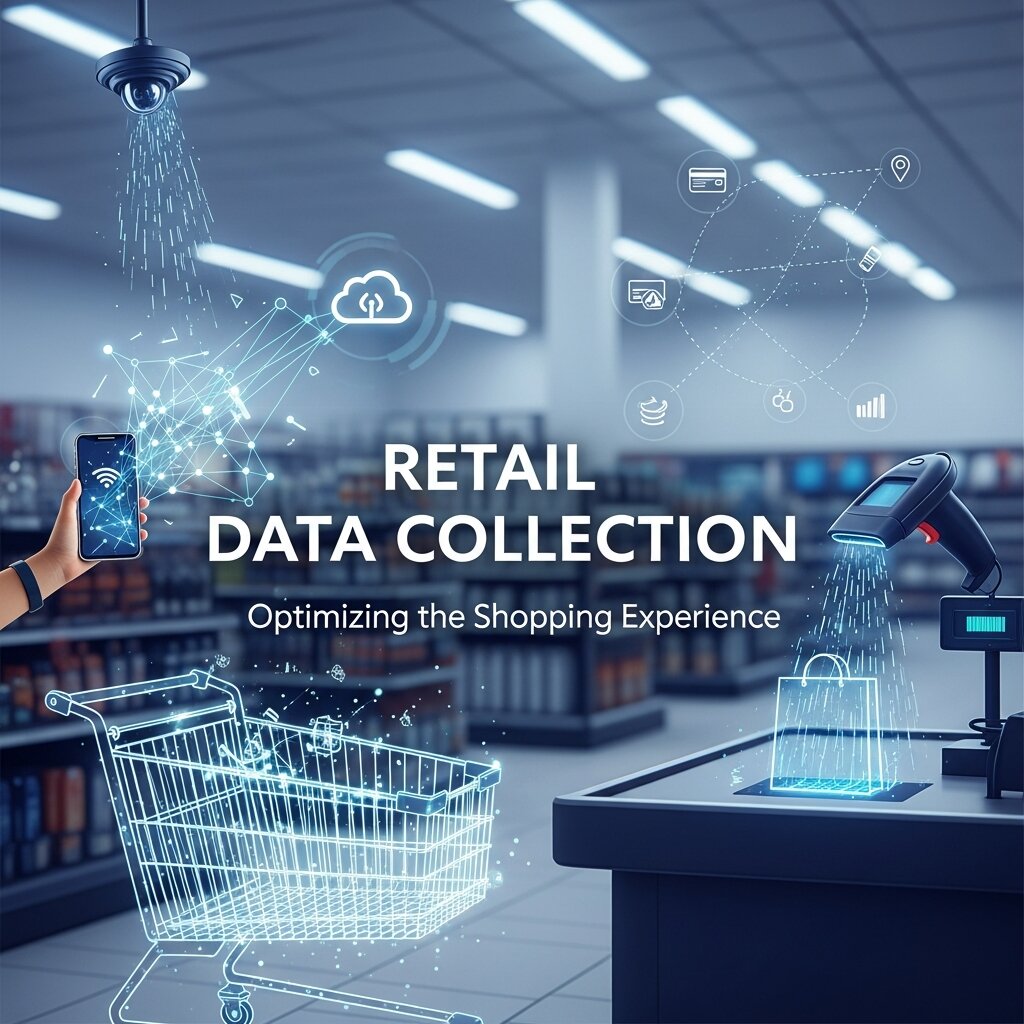
Retail data collection is the process of gathering information about customers, transactions, inventory, and store operations to inform business decisions. It spans everything from a simple data collection sheet tracking daily sales figures to sophisticated mobile data collection systems that capture real-time foot traffic across multiple locations.
The stakes are high. Retailers who fail to collect and act on data risk making decisions based on gut instinct alone—pricing products incorrectly, overstocking slow-moving inventory, or missing shifts in customer preferences entirely. On the other hand, retailers who build structured data collection practices gain the visibility they need to optimize operations, personalize marketing, and forecast demand with confidence.
Data collection in retail also feeds directly into customer experience improvements. When you understand how shoppers move through your store, what they browse before purchasing, and where they drop off in the buying journey, you can redesign those touchpoints to reduce friction and increase conversion.
Point-of-Sale Systems: The Retail Data Foundation
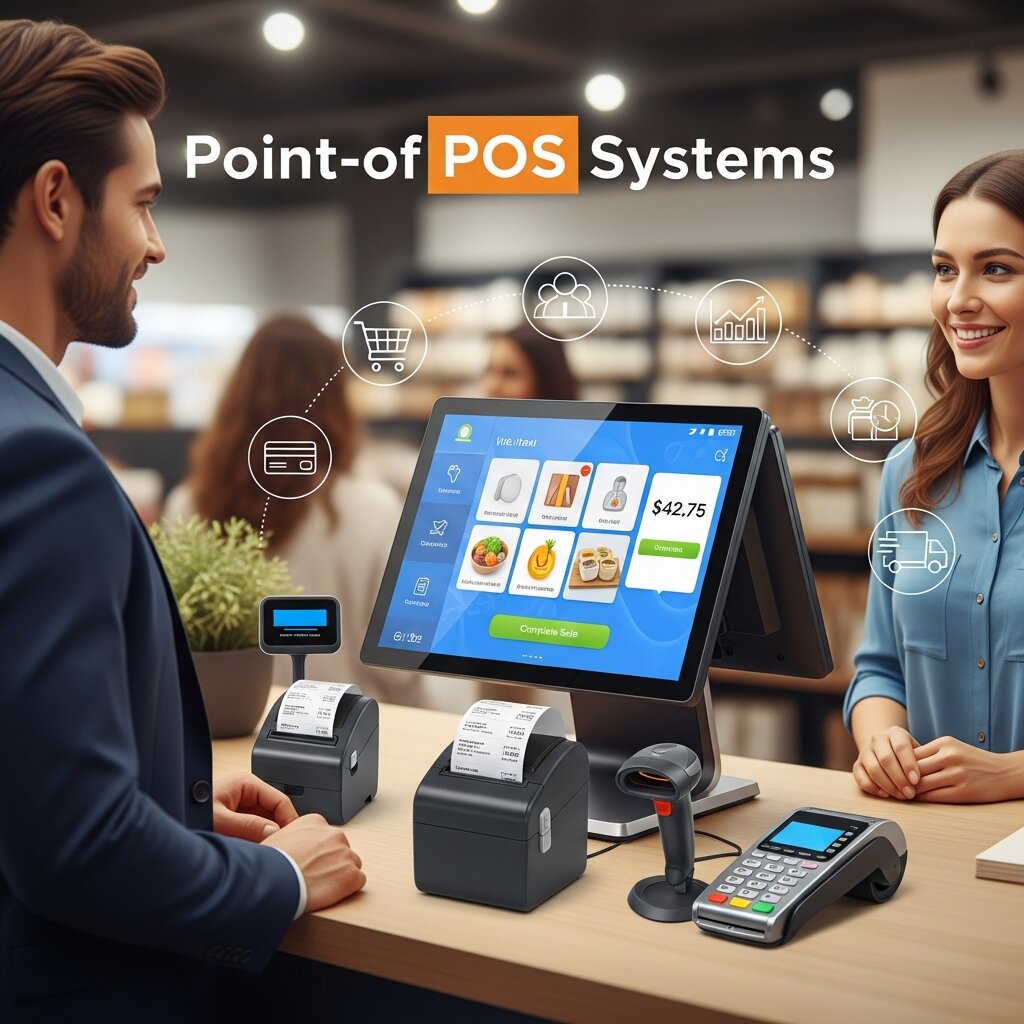 Every retail transaction leaves a data trail, and point-of-sale (POS) systems are where much of that trail begins. Modern POS platforms do far more than process payments—they capture transaction timestamps, product-level purchase data, basket sizes, discount usage, and even associate performance metrics.
This transactional data is foundational. It tells you which products move, which promotions work, what your peak trading hours are, and how average spend varies across customer segments. When integrated with inventory management software, POS data also helps trigger automatic reordering and flag slow-moving stock before it becomes a margin problem.
For multi-location retailers, cloud-based POS systems consolidate data collection across sites, giving leadership a unified view of performance without manually reconciling store-level reports. This kind of centralized retail data collection dramatically reduces the time it takes to identify trends and respond to them.
Loyalty Programs and Customer Surveys: Capturing Who’s Buying
Transactional data tells you what is being purchased. Loyalty programs tell you who is purchasing it. By linking transactions to individual customer profiles, loyalty programs transform anonymous sales data into a detailed picture of buying behavior over time.
Retailers can use loyalty program data to identify high-value customers, understand purchase frequency, track product affinities, and personalize communications based on actual behavior rather than assumptions. A customer who consistently buys premium skincare products, for instance, is a strong candidate for early access to new launches—not a generic discount voucher.
Customer surveys add another dimension. While loyalty data captures behavior, surveys capture motivation—why customers chose your store, what they wish you stocked, or how they felt about their last experience. A well-designed data collection sheet distributed post-purchase (digitally or in-store) can surface qualitative insights that quantitative data alone can’t reveal.
Short, targeted surveys with no more than five to seven questions consistently outperform lengthy questionnaires in response rate and data quality. Incentivizing responses with loyalty points or small discounts improves participation further.
Mobile Data Collection: Real-Time Intelligence in the Field
 Traditional data collection methods often suffer from a common problem: lag. By the time data is recorded, compiled, and analyzed, the opportunity to act on it has passed. Mobile data collection solves this by enabling store teams to capture and submit data in real time, from anywhere on the floor.
Mobile data collection tools are particularly valuable for:
- Stock audits: Staff can scan shelves and flag discrepancies instantly, keeping inventory records accurate without end-of-day manual counts.
- Compliance checks: Regional managers conducting store visits can complete standardized checklists on a tablet or smartphone, with responses automatically synced to a central dashboard.
- Competitor pricing: Field teams can collect competitor price data and submit it in real time, giving buyers the information they need to make fast pricing decisions.
- Customer feedback: Portable devices placed at exits or service counters allow shoppers to rate their experience immediately after it happens, when recall is most accurate.
The shift to mobile data collection has made retail operations more responsive. Rather than waiting for weekly reports, store managers and head office teams can access up-to-date data and course-correct the same day.
Web Analytics and E-commerce Tracking: Understanding the Digital Shopper
For retailers with an online presence, web analytics platforms are essential data collection tools. Google Analytics 4, for example, tracks how visitors arrive at your site, which pages they engage with, where they exit, and which products they view without purchasing.
This behavioral data is rich with commercial insight. High exit rates on a product page might indicate a pricing issue, poor imagery, or missing size information. Abandoned carts at the payment stage might point to unexpected shipping costs or a lack of preferred payment methods. Each of these signals represents an actionable opportunity—but only if the data is being collected and reviewed systematically.
Heatmapping tools like Hotjar or Microsoft Clarity add a visual layer to web analytics, showing where users click, scroll, and hesitate. Combined with session recording, these tools help retail marketers and UX designers pinpoint exactly where the online shopping experience breaks down.
For omnichannel retailers, connecting web analytics data to in-store POS and loyalty data creates a complete view of the customer journey—from first online touchpoint to final in-store purchase.
Inventory and Supply Chain Data Collection: Reducing Cost, Improving Availability
Stock availability is one of the most direct drivers of retail revenue. When products are out of stock, sales are lost—often to a competitor. When overstock accumulates, margins erode through markdowns and storage costs. Effective inventory data collection sits at the heart of getting this balance right.
Barcode scanning, RFID tags, and electronic shelf labels all serve as data collection tools that keep inventory counts accurate and current. RFID technology, in particular, has gained significant traction in apparel and specialty retail, where high SKU counts make manual auditing impractical. By automating the tracking of individual items through the supply chain and across the shop floor, RFID reduces shrinkage and improves replenishment speed.
On the supply chain side, collecting lead time data, supplier fill rates, and delivery accuracy metrics allows retailers to identify bottlenecks and build more resilient ordering strategies. This data is especially critical for seasonal retailers, where a late shipment of key products can have an outsized impact on quarterly performance.
Social Media Listening and Third-Party Data: Expanding What You Know
 Internal data collection captures what happens within your business. Social media listening captures what’s being said about it—and about your competitors—in public conversations.
Tools like Brandwatch, Sprout Social, and Mention aggregate brand mentions, product reviews, and category conversations across platforms. Retail buyers and merchandisers can use this data to spot emerging trends before they reach mainstream demand, identify products generating organic enthusiasm, and monitor how customers respond to competitor launches or promotions.
Third-party data providers offer another avenue for expanding retail intelligence. Demographic data, geolocation data, and purchasing panel data can all supplement internal sources, helping retailers understand their addressable market more precisely and benchmark their performance against industry norms.
The key to using third-party data effectively is integration. Standalone insights rarely drive action. When third-party data is combined with your own retail data collection—through a customer data platform (CDP) or analytics warehouse—it becomes far more powerful.
How to Build a Retail Data Collection Strategy That Scales
Collecting data without a strategy produces noise, not insight. The retailers that get the most value from their data collection efforts tend to follow a few common principles.
Start with business questions, not data sources: Before selecting a data collection tool or designing a data collection sheet, identify the decisions you need to make. Do you need to understand why a particular store is underperforming? Identify which customer segments are most profitable? Forecast demand for an upcoming promotional period? The business question determines which data is worth collecting.
Prioritize data quality over data volume: More data is not always better. Inconsistent formats, duplicate records, and incomplete fields make analysis unreliable. Establishing clear data standards—how fields should be formatted, which records are mandatory, how often data should be updated—pays dividends in analytical accuracy downstream.
Invest in the right data collection tools for your team’s capacity: Enterprise retailers with dedicated analytics teams can extract value from complex, integrated data platforms. Smaller operators are often better served by purpose-built data collection tools that require less technical overhead. The best data collection method is the one your team will actually use consistently.
Close the loop between data and action: Data collection is only valuable if it influences decisions. Build regular review cadences—weekly trading meetings, monthly inventory reviews, quarterly customer analysis—that bring data into the room where decisions are made.
Frequently Asked Questions (FAQs)
1. What is retail data collection?
Retail data collection is the process of gathering information about customers, sales, inventory, store operations, and purchasing behavior. Retailers use this data to improve decision-making, optimize inventory, personalize customer experiences, and increase profitability.
2. Why is retail data collection important?
Retail data collection helps businesses understand customer preferences, monitor sales performance, forecast demand, reduce operational costs, and improve marketing strategies. Data-driven retailers can make faster and more informed business decisions than those relying on intuition alone.
3. What types of data do retailers typically collect?
Retailers commonly collect sales transaction data, customer demographics, purchase history, inventory levels, website analytics, loyalty program information, foot traffic data, employee performance metrics, customer feedback, and supply chain data.
4. What are the most common retail data collection methods?
Popular retail data collection methods include point-of-sale (POS) systems, loyalty programs, customer surveys, mobile data collection apps, barcode and RFID scanning, web analytics, social media monitoring, and inventory management systems.
5. How does mobile data collection benefit retailers?
Mobile data collection allows employees to capture real-time information using smartphones or tablets. It improves inventory accuracy, speeds up store audits, simplifies compliance checks, enables instant customer feedback collection, and reduces manual paperwork.
6. How can retailers use customer data to improve sales?
Retailers can analyze customer purchasing patterns, shopping frequency, and preferences to deliver personalized promotions, recommend relevant products, optimize pricing, and create targeted marketing campaigns that increase customer engagement and sales.
7. What role do POS systems play in retail data collection?
Modern POS systems collect detailed transaction data, including products sold, payment methods, sales volume, discounts, and purchase times. This information helps retailers monitor performance, manage inventory, and identify sales trends across multiple locations.
8. How can retailers ensure data accuracy?
Retailers can improve data accuracy by using standardized data collection procedures, automating data capture where possible, training employees, regularly auditing records, eliminating duplicate entries, and integrating data across business systems.
9. What challenges do retailers face in data collection?
Common challenges include poor data quality, disconnected systems, data privacy compliance, inconsistent reporting, outdated technology, limited staff training, and difficulty integrating information from online and offline sales channels.
10. How can small retailers build an effective retail data collection strategy?
Small retailers should begin by defining clear business objectives, selecting easy-to-use data collection tools, tracking essential metrics such as sales and inventory, collecting customer feedback regularly, reviewing data consistently, and using insights to make informed operational and marketing decisions.
Turning Retail Data Into a Growth Engine
Retail data collection, done well, fundamentally changes the way decisions get made. Pricing becomes more precise. Inventory management becomes more efficient. Marketing becomes more relevant. Customer experience becomes less guesswork and more science.
The methods covered in this guide—from POS systems and loyalty programs to mobile data collection and social listening—each contribute a different layer of insight. Used in combination, they create a retail intelligence capability that compounds over time: the more data you collect, the better your models get; the better your models get, the sharper your decisions become.