
Numbers tell you what happened. Words tell you why. That distinction sits at the heart of every smart business decision, yet many teams still lean almost entirely on spreadsheets and dashboards when choosing their next move.
Qualitative research data collection fills the gap that numbers leave behind. It captures the motivations, frustrations, and stories behind human behavior—the kind of insight a percentage point can never fully explain. When you understand the why, you make choices with far more confidence.
This post breaks down what qualitative research data collection actually involves, the methods and tools that make it work, and how it sharpens decision-making across product, marketing, policy, and beyond. By the end, you’ll know how to gather richer insights and turn them into action.
What Is Qualitative Research Data Collection?
Qualitative research data collection is the process of gathering non-numerical information—words, observations, images, and experiences—to understand how people think, feel, and behave. Instead of measuring how many customers churned, it asks why they left and how they felt about the experience.
This approach produces depth rather than breadth. You might interview 15 people instead of surveying 1,500, but the insights you gain are far richer and more contextual. The goal isn’t statistical significance; it’s genuine understanding.
Common forms of qualitative data include:
- Interview transcripts that capture personal stories and reasoning
- Focus group discussions that reveal group dynamics and shared opinions
- Open-ended survey responses where people answer in their own words
- Field notes from observing behavior in real settings
- Photos, videos, and audio recordings that document context
Because this data is unstructured, it requires careful collection and interpretation. That’s where method and the right data collection tool become essential.
Why Qualitative Data Matters for Decision-Making
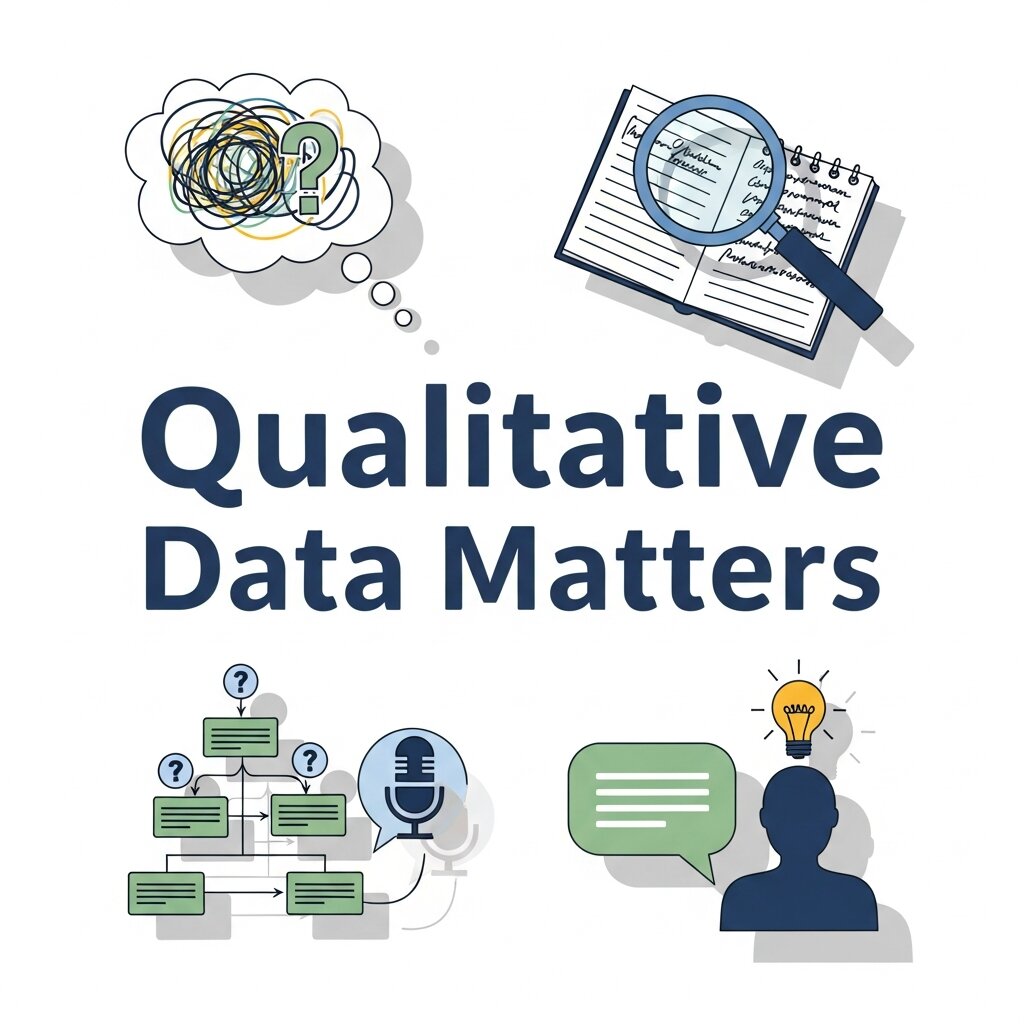 Decisions based on numbers alone often miss the human element. A sales dashboard might show a 12% drop in repeat purchases, but it won’t tell you that customers found your checkout confusing or felt ignored by support. Qualitative research data collection surfaces those reasons—and reasons are what you act on.
It Reveals the “Why” Behind the “What”
Quantitative data flags a problem. Qualitative data explains it. Suppose your app’s retention rate falls after a redesign. A few in-depth interviews might reveal that users can no longer find a feature they relied on daily. Now your team knows exactly what to fix, rather than guessing.
It Reduces Costly Assumptions
Teams often build products or campaigns around what they think customers want. Talking directly to people challenges those assumptions before money is spent. A short round of interviews can save months of development on a feature nobody actually needs.
It Uncovers Opportunities You Didn’t Know Existed
When you let people speak freely, they raise issues and ideas you never thought to ask about. These unprompted insights frequently point to new markets, untapped needs, or simple fixes that competitors have overlooked.
It Adds Context to Your Numbers
The strongest decisions blend both data types. Quantitative results show the scale of an issue; qualitative findings explain its cause. Together, they give leaders a complete picture instead of half the story.
Key Methods of Qualitative Research Data Collection
There’s no single right way to gather qualitative data. The best method depends on your question, your audience, and your resources. Here are the most widely used approaches.
In-Depth Interviews
One-on-one interviews let you explore a person’s experiences in detail. They work well for sensitive topics, complex decisions, or any situation where you need to follow up on individual answers. A skilled interviewer can probe deeper when something interesting comes up—something a fixed survey can’t do.
Focus Groups
Bringing 6 to 10 people together sparks conversation that individual interviews can’t replicate. Participants build on each other’s comments, debate ideas, and reveal how opinions form within a group. Focus groups are useful for testing concepts, messaging, and early product ideas.
Ethnographic Observation
Sometimes what people say differs from what they do. Observing behavior in a natural setting—a store, an office, a home—captures actions people might not think to mention. This method delivers authentic insight into how products and services fit into real life.
Open-Ended Surveys
Surveys aren’t only for numbers. Open-ended questions invite respondents to answer in their own words, combining the reach of a survey with the depth of qualitative input. A well-designed data collection sheet makes these responses easy to organize and review later.
Diary Studies
Asking participants to log their experiences over days or weeks captures how attitudes change over time. This longitudinal view is valuable for understanding habits, recurring frustrations, and the full customer journey.
Tools That Power Modern Data Collection
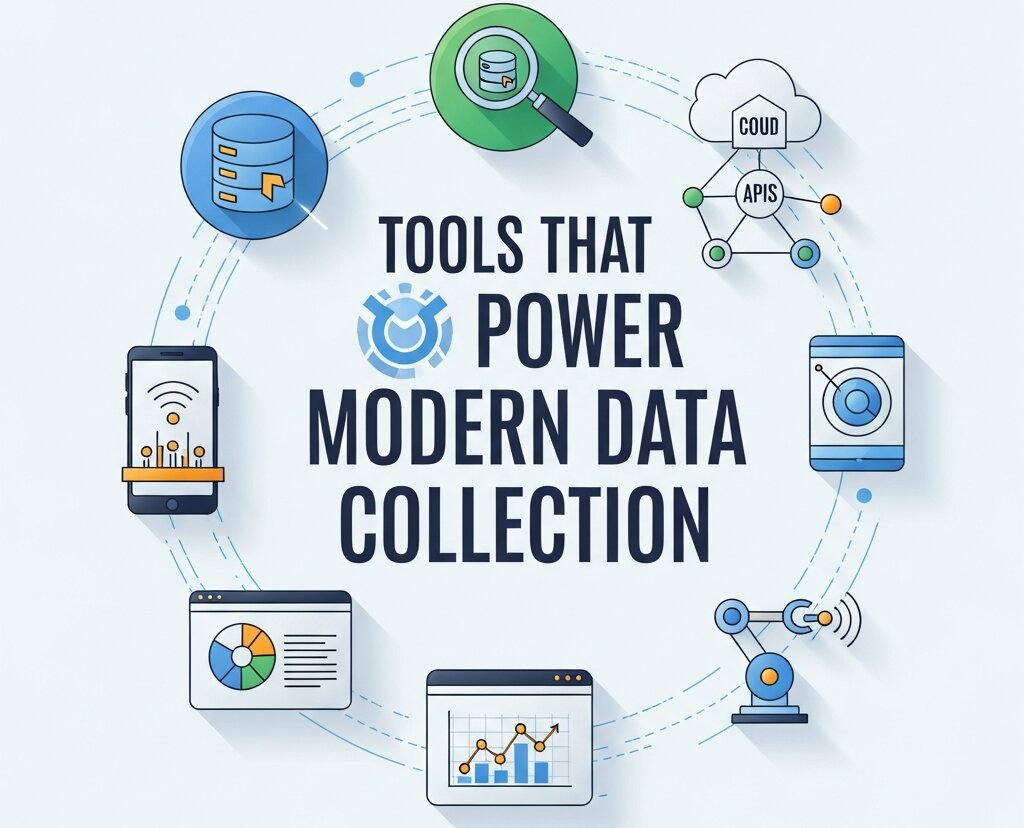 Gathering qualitative data used to mean clipboards, paper forms, and hours of manual transcription. Today, a good data collection tool streamlines the entire process—from capturing responses to organizing them for analysis.
Mobile Data Collection
Field researchers no longer need to carry stacks of paper. Mobile data collection apps let teams record interviews, snap photos, and complete surveys directly on a phone or tablet, even without an internet connection. Data syncs automatically once a device is back online, which cuts errors and saves enormous amounts of time.
This matters most for teams working in remote areas, retail floors, or anywhere a desk isn’t practical. A health worker conducting community interviews, for instance, can capture detailed notes on the spot rather than reconstructing them hours later.
Digital Data Collection Sheets
A structured data collection sheet keeps responses consistent across multiple researchers and locations. Digital versions add dropdowns, validation rules, and automatic timestamps, so the information arrives clean and ready to analyze. Standardization is especially important when several people gather data for the same project.
Transcription and Analysis Software
Tools that transcribe audio automatically free researchers from tedious manual typing. Many platforms then help tag, code, and group responses by theme, turning raw transcripts into organized findings. This speeds up the jump from collection to insight.
Choosing the Right Tool
Pick your data collection tool based on where and how you work. Choose mobile data collection if your team gathers information in the field or offline. Opt for a robust digital data collection sheet if consistency across researchers matters most. And prioritize transcription features if interviews make up the bulk of your work. The right fit depends on your project, not on whichever tool happens to be most popular.
Turning Qualitative Data Into Better Decisions
 Collecting data is only half the job. The real value comes from how you interpret and apply it. Here’s a practical path from raw information to confident action.
Step 1: Organize Your Data
Pull everything into one place—transcripts, notes, recordings, and survey responses. A central data collection sheet or platform keeps the material manageable and prevents key insights from slipping through the cracks.
Step 2: Look for Patterns
Read through your data and tag recurring themes. If five out of eight interviewees mention the same frustration, that’s a signal worth acting on. Coding your responses this way transforms scattered comments into clear trends.
Step 3: Connect Findings to Decisions
Tie each insight to a specific choice your team faces. If customers repeatedly struggle with onboarding, that finding should shape your next product sprint. Insights that don’t link to action tend to sit in a report nobody reads.
Step 4: Share Insights Clearly
Use direct quotes and short stories to bring findings to life for stakeholders. A single vivid customer quote often persuades a leadership team faster than a wall of statistics. Make your insights easy to grasp, and they’ll actually influence the decision.
Step 5: Validate and Repeat
Qualitative insights are strongest when tested against quantitative data or further research. Treat data collection as an ongoing loop, not a one-time event. The more you listen, the sharper your decisions become.
Common Pitfalls to Avoid
Even experienced teams stumble when collecting qualitative data. Watch out for these mistakes:
- Leading questions that nudge participants toward the answer you want, skewing your results
- Too small a sample that misses important perspectives, or too large a one that overwhelms your analysis
- Skipping documentation, which makes patterns impossible to track later
- Confusing anecdotes with trends—one strong opinion isn’t the same as a recurring theme
- Ignoring the analysis stage, leaving rich data unused and decisions still based on guesswork
Avoiding these traps keeps your insights reliable and your decisions grounded.
Ethical Considerations in Qualitative Research Data Collection
Ethics play a vital role in qualitative research because researchers often collect detailed personal experiences, opinions, and sensitive information. Participants should always understand the purpose of the research, how their information will be used, and their right to withdraw at any time. Obtaining informed consent and protecting confidentiality help build trust and encourage honest responses.
Researchers must also avoid leading questions, respect cultural differences, and remain objective throughout the data collection and analysis process. Securely storing recordings, transcripts, and other research materials is equally important to protect participant privacy. By following ethical research practices, organizations not only improve the credibility and reliability of their findings but also demonstrate respect for the individuals whose insights contribute to better products, services, policies, and business decisions.
Frequently Asked Questions
1. What is qualitative research data collection?
Qualitative research data collection is the process of gathering non-numerical information to understand people’s opinions, behaviors, motivations, and experiences. It uses methods such as interviews, focus groups, observations, and open-ended surveys to provide detailed insights that support informed decision-making.
2. Why is qualitative research important?
Qualitative research helps organizations understand the reasons behind customer behaviors, employee experiences, and market trends. Unlike quantitative research, it provides context and deeper explanations that can improve products, services, marketing strategies, and business decisions.
3. What are the most common qualitative research data collection methods?
The most common methods include in-depth interviews, focus groups, ethnographic observation, diary studies, case studies, and open-ended surveys. Each method offers unique insights depending on the research objectives and the type of information being collected.
4. How is qualitative research different from quantitative research?
Qualitative research focuses on understanding experiences, opinions, and motivations through descriptive data, while quantitative research measures numerical data to identify patterns and statistical relationships. Many organizations combine both approaches to gain a more complete understanding of their research questions.
5. What tools are commonly used for qualitative research data collection?
Researchers often use digital interview platforms, mobile data collection apps, online survey tools, audio recording software, transcription services, and qualitative data analysis software. These tools simplify data collection, organization, coding, and interpretation.
6. How many participants are needed for qualitative research?
The ideal sample size depends on the research goals and methodology. Many qualitative studies involve between 10 and 30 participants, although focus groups, interviews, and observational studies may require fewer or more participants until meaningful patterns and themes begin to emerge.
7. What are the biggest challenges in qualitative data collection?
Common challenges include recruiting suitable participants, asking unbiased questions, managing large amounts of unstructured data, avoiding researcher bias, and accurately interpreting findings. Careful planning and consistent research methods help minimize these challenges.
8. How can researchers improve the quality of qualitative data?
Researchers can improve data quality by using clear interview guides, asking open-ended questions, recording responses accurately, maintaining detailed documentation, selecting appropriate participants, and validating findings through multiple data sources whenever possible.
9. Can qualitative research support business decision-making?
Yes. Businesses use qualitative research to understand customer needs, test products, improve user experiences, evaluate marketing campaigns, and identify new market opportunities. These insights help leaders make decisions based on real customer experiences rather than assumptions.
10. When should businesses use qualitative research instead of quantitative research?
Qualitative research is most valuable when businesses need to explore customer opinions, discover the reasons behind behaviors, generate new ideas, or investigate complex problems. Quantitative research is better suited for measuring trends, while qualitative research explains the factors driving those trends.
Making Insight a Habit, Not an Afterthought
Qualitative research data collection turns guesswork into understanding. By capturing the reasons behind human behavior, it gives decision-makers the context that numbers alone can’t provide. The teams that consistently make smart choices are the ones that bother to ask why—and then listen carefully to the answers.
Start small. Pick one upcoming decision and gather a handful of in-depth interviews or open-ended survey responses before you commit. Choose a data collection tool that matches how your team works, whether that’s mobile data collection in the field or a shared digital data collection sheet in the office. Then build the practice into your regular workflow.