A single missed shipment can ripple across an entire supply chain. A delayed part stalls an assembly line, a backlog forms, and customers start asking where their orders are. Most of these disruptions don’t happen because of one big failure. They happen because the people running the supply chain couldn’t see the problem coming.
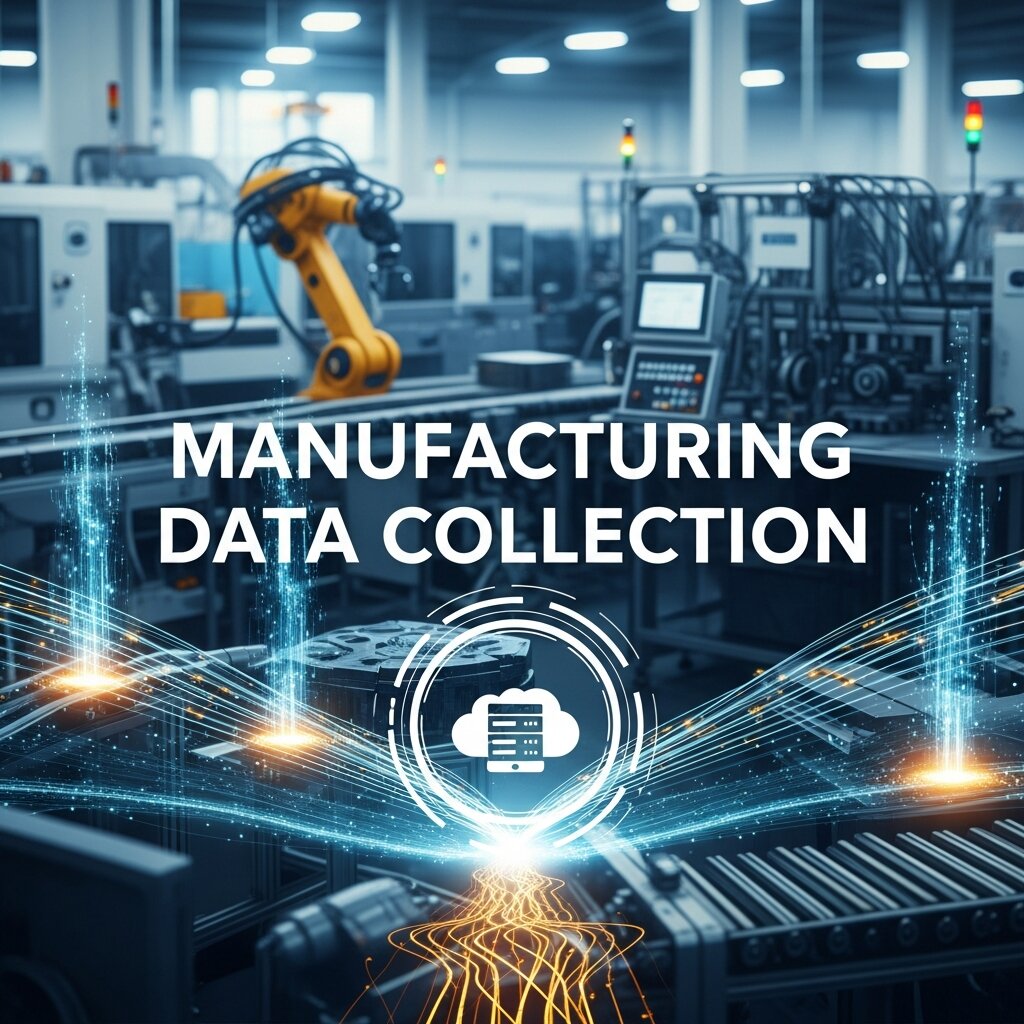
That’s where manufacturing data collection comes in. When you capture accurate, real-time information from the factory floor, you gain a clearer picture of what’s happening across your entire operation—from raw materials to finished goods. This visibility helps you spot bottlenecks early, make smarter decisions, and keep products moving.
In this post, we’ll explore how manufacturing data collection works, why it matters for supply chain visibility, and the practical steps you can take to start collecting better data today.
What Is Manufacturing Data Collection?
Manufacturing data collection is the process of gathering information from every stage of production. This includes data on machine performance, inventory levels, labor hours, quality checks, and material usage. The goal is to turn the daily activity of your factory into measurable, usable insights.
In the past, much of this work was done by hand. Workers would jot down numbers on a paper data collection sheet, then someone would type those figures into a spreadsheet hours or even days later. By the time the data reached a decision-maker, it was often outdated and full of errors.
Today, modern tools have changed the game. A digital data collection tool can capture information instantly, store it in a central system, and make it available to anyone who needs it. Mobile data collection takes this a step further, letting workers record information directly from a tablet or smartphone as they move through the plant. The result is faster, cleaner data that reflects what’s actually happening on the floor.
Why Supply Chain Visibility Depends on Good Data
 Supply chain visibility means knowing where your materials, products, and information are at any given moment. It sounds simple, but achieving it is one of the biggest challenges manufacturers face. Without reliable data, visibility breaks down—and so does your ability to manage the chain effectively.
Here’s the connection: your supply chain is only as transparent as the data feeding it. If your inventory counts are wrong, your purchasing team orders too much or too little. If your production data lags, your sales team promises delivery dates you can’t meet. Every gap in your data creates a blind spot somewhere down the line.
Strong manufacturing data collection closes these gaps. When information flows accurately from the factory floor into your planning systems, everyone works from the same source of truth. Procurement, production, logistics, and customer service all see the same numbers, which means fewer surprises and faster responses.
Key Benefits of Manufacturing Data Collection for Your Supply Chain
Investing in better data collection pays off in several ways. Let’s look at the most important benefits.
Real-Time Inventory Tracking
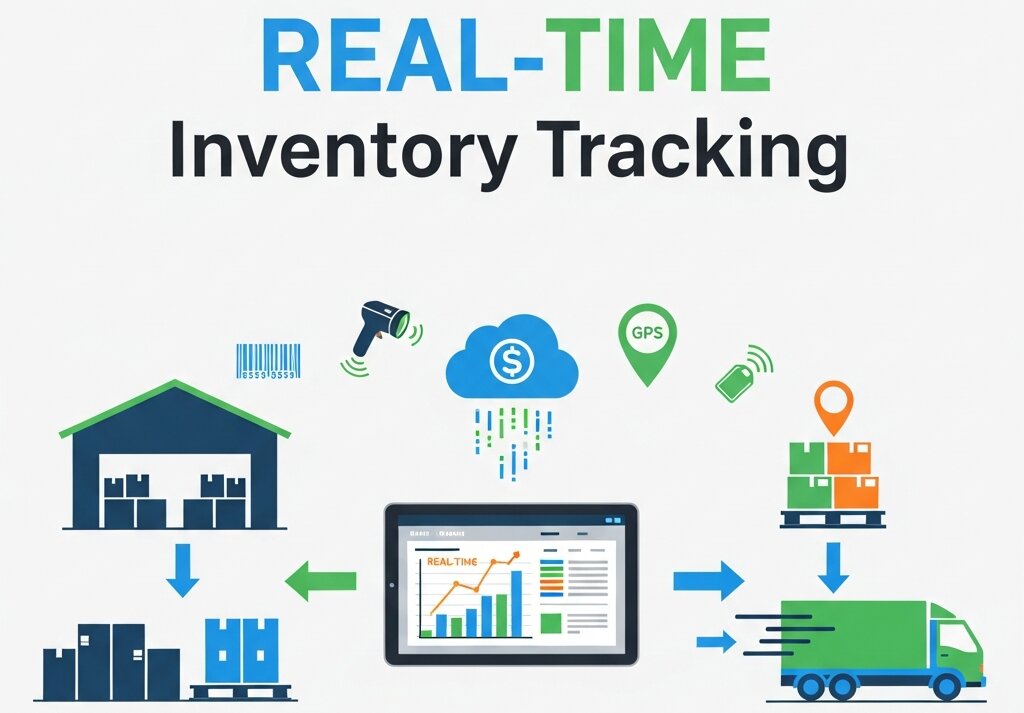 Knowing exactly how much stock you have—and where it sits—prevents both shortages and overstocking. With a digital data collection tool, inventory levels update automatically as materials move in and out. This eliminates the guesswork that comes with manual counts and helps you maintain the right balance of stock.
When inventory data is accurate, your purchasing team can order materials at the right time. You avoid tying up cash in excess stock, and you reduce the risk of halting production because a critical part ran out.
Faster Problem Detection
Problems are easier to fix when you catch them early. Real-time data lets you spot a slowdown on the production line, a rise in defect rates, or a delay in incoming materials the moment it happens. Instead of reacting to disruptions after they’ve spread, you can address the root cause quickly.
For example, if a machine starts producing parts outside of spec, a quality check recorded through mobile data collection can flag the issue immediately. A supervisor steps in before dozens of defective units pile up and travel further down the line.
Better Demand Forecasting
Accurate historical data is the foundation of good forecasting. When you collect detailed records of production output, order patterns, and seasonal trends, you can predict future demand with far greater confidence. This helps you plan production schedules, allocate resources, and communicate realistic timelines to your customers.
Manufacturers that forecast well avoid the costly cycle of overproduction followed by deep discounting. They also build stronger relationships with suppliers by sharing reliable projections.
Improved Supplier Coordination
Your suppliers are part of your supply chain, and they benefit from your data too. When you share accurate demand and inventory information, suppliers can plan their own production and shipping more effectively. This reduces lead times and lowers the risk of stockouts on both sides.
Sharing data builds trust. Suppliers who understand your needs become partners rather than vendors, and that relationship pays dividends when supply gets tight.
How to Get Started with Manufacturing Data Collection
Moving from manual processes to a modern data system can feel overwhelming. Breaking it into clear steps makes the transition manageable.
Step 1: Identify What You Need to Measure
Start by deciding which metrics matter most to your operation. Common choices include machine uptime, production output, defect rates, inventory levels, and order fulfillment times. Focus on the data that directly affects your supply chain visibility, rather than trying to track everything at once.
Step 2: Replace Paper with Digital Tools
If your team still relies on a paper data collection sheet, this is the single biggest upgrade you can make. Switching to a digital data collection tool removes the delays and errors that come with manual entry. Look for software that integrates with the systems you already use, such as your ERP or inventory management platform.
Step 3: Embrace Mobile Data Collection
Workers shouldn’t have to walk to a fixed terminal to log information. Mobile data collection lets employees capture data right where the work happens—on the line, in the warehouse, or at the loading dock. Tablets and smartphones equipped with the right app turn every worker into a data source, making your information richer and more current.
Step 4: Train Your Team
Even the best tools fail without buy-in. Take time to train workers on why data collection matters and how to use the new system. When employees understand that accurate data makes their jobs easier and the business stronger, they’re far more likely to use the tools consistently.
Step 5: Review and Refine
Data collection isn’t a one-time project. Review your metrics regularly to see what’s working and what isn’t. As your needs change, adjust the data you collect and the way you collect it. Continuous improvement keeps your system useful over the long haul.
Common Pitfalls to Avoid
Even with the right intentions, manufacturers can stumble when setting up data collection. Watch out for these common mistakes.
Collecting too much data: It’s tempting to track every possible metric, but too much data creates noise. Focus on the numbers that drive decisions and ignore the rest until you have a reason to capture them.
Ignoring data quality: Bad data is worse than no data, because it leads to confident but wrong decisions. Build checks into your process to catch errors early, and make sure your team understands the importance of accuracy.
Working in silos: Data loses much of its value when it’s locked inside one department. Make sure information flows freely between production, procurement, logistics, and sales so everyone benefits from the same insights.
Forgetting the human side: Technology alone won’t fix a broken process. Pair your tools with clear procedures and ongoing training to get the most from your investment.
Technologies That Power Modern Manufacturing Data Collection
Modern manufacturing depends on connected technologies that capture accurate information without slowing down production. Instead of relying on handwritten records or delayed reporting, manufacturers can collect data automatically as work progresses. This creates a continuous flow of real-time information that improves visibility across the supply chain and supports faster decision-making.
Internet of Things (IoT) sensors monitor machine performance, barcode and RFID systems track materials throughout the production process, and cloud-based platforms store data in a centralized location where authorized teams can access it instantly. Manufacturing Execution Systems (MES) connect shop-floor operations with business systems, while analytics dashboards transform raw production data into meaningful insights. Together, these technologies reduce manual effort, improve data accuracy, and help manufacturers respond quickly to changing production conditions.
Key Manufacturing Metrics That Matter Most
Successful manufacturing data collection is not about tracking every available metric. Instead, it focuses on collecting information that directly supports operational efficiency and supply chain performance. Measuring the right data allows manufacturers to identify trends, uncover bottlenecks, and make informed decisions based on real-time insights.
Important metrics often include production output, machine uptime, equipment downtime, inventory accuracy, defect rates, order fulfillment performance, and material usage. Monitoring these indicators consistently helps businesses improve product quality, reduce waste, optimize production schedules, and maintain better control over inventory levels. Over time, these insights contribute to a more efficient and resilient supply chain.
The Future of Manufacturing Data Collection
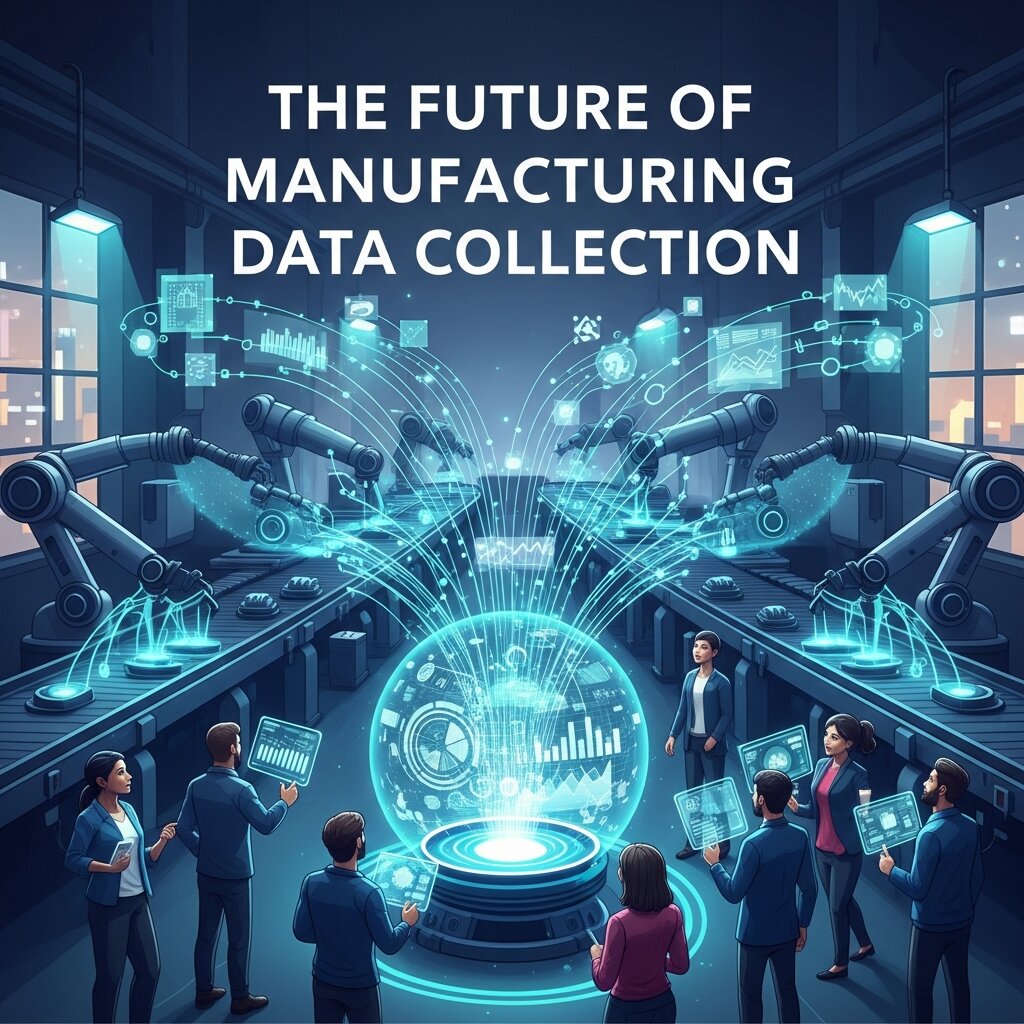 Manufacturing data collection continues to evolve as new digital technologies reshape factory operations. Businesses are moving beyond simply recording production information and are now using data to predict problems, automate decisions, and optimize processes before issues affect customers.
Artificial intelligence, predictive analytics, digital twins, and edge computing are making manufacturing systems smarter and more responsive. These innovations enable companies to forecast equipment failures, improve maintenance planning, reduce downtime, and strengthen supply chain resilience. As technology advances, manufacturers that invest in modern data collection strategies will be better positioned to improve productivity, lower operating costs, and maintain a competitive advantage in an increasingly data-driven industry.
Frequently Asked Questions (FAQs)
1. What is manufacturing data collection?
Manufacturing data collection is the process of gathering and recording production-related information, such as machine performance, inventory levels, quality inspections, labor hours, and material usage. This data helps manufacturers monitor operations, improve efficiency, and make informed business decisions.
2. Why is manufacturing data collection important for supply chain visibility?
Accurate manufacturing data provides real-time insight into production and inventory, allowing businesses to identify bottlenecks, track materials, and respond quickly to disruptions. Better visibility leads to improved planning, faster deliveries, and stronger customer satisfaction.
3. How does digital data collection improve manufacturing operations?
Digital data collection eliminates manual paperwork, reduces human errors, and provides instant access to production data. It enables faster decision-making, improves reporting accuracy, and ensures that all departments work with the latest information.
4. What is mobile data collection in manufacturing?
Mobile data collection allows employees to capture production data using smartphones, tablets, or handheld devices directly from the factory floor. This improves data accuracy, speeds up reporting, and reduces delays caused by manual data entry.
5. What types of data should manufacturers collect?
Manufacturers should focus on key operational metrics such as machine uptime, production output, inventory levels, quality defects, material consumption, labor productivity, order fulfillment, and equipment maintenance data.
6. Can manufacturing data collection help reduce supply chain disruptions?
Yes. Real-time production and inventory data help manufacturers detect delays, equipment failures, or material shortages before they become larger problems. Early detection enables faster corrective action and minimizes supply chain disruptions.
7. How can manufacturers transition from paper-based to digital data collection?
Start by identifying the most important metrics, selecting a digital data collection solution that integrates with existing systems, training employees, and gradually replacing paper forms with digital workflows. A phased implementation helps ensure a smoother transition.
8. What are the biggest challenges when implementing manufacturing data collection?
Common challenges include poor data quality, employee resistance to new technology, collecting unnecessary data, lack of system integration, and insufficient staff training. Proper planning and continuous improvement can help overcome these obstacles.
9. How does manufacturing data improve inventory management?
Real-time inventory data provides accurate stock levels, helping manufacturers avoid stockouts and overstocking. Better inventory visibility also improves purchasing decisions, reduces carrying costs, and supports more efficient production planning.
10. What should businesses look for in a manufacturing data collection solution?
An effective solution should offer real-time data capture, mobile accessibility, integration with ERP and inventory systems, customizable reporting, user-friendly interfaces, data security, and scalability to support future business growth.
Turning Data Into a Competitive Advantage
Supply chain visibility isn’t a luxury anymore—it’s a requirement for staying competitive. Customers expect fast, reliable delivery, and the manufacturers who meet those expectations are the ones who can see and respond to what’s happening across their operations.
Manufacturing data collection is the engine behind that visibility. By replacing paper processes with digital and mobile tools, capturing accurate information in real time, and sharing it across your organization, you create a supply chain that’s transparent, responsive, and resilient.