
Factory floors used to run on gut instinct and clipboard checklists. A supervisor would walk the line, jot down readings, and make decisions based on what they could see and hear. That approach worked for decades—until it didn’t. Today, the machines themselves have a lot to say, and businesses that listen are pulling ahead of those that don’t.
Machine data collection sits at the heart of this shift. By capturing real-time information directly from equipment, sensors, and production systems, manufacturers can spot problems before they happen, fine-tune output, and cut waste in ways that were impossible just a few years ago. This post breaks down what machine data collection actually is, why it matters, and how it’s reshaping the way industrial operations run.
Whether you manage a single plant or a network of facilities, understanding this technology will help you make smarter decisions about where to invest and how to compete. Let’s get into it.
What Is Machine Data Collection?
Machine data collection is the process of automatically gathering information generated by industrial equipment, machinery, and connected devices. This includes everything from temperature and pressure readings to cycle times, error codes, and energy consumption.
Instead of relying on a worker to record numbers by hand on a paper data collection sheet, modern systems pull this information straight from the source. Sensors attached to machines feed data into a central platform, where it can be stored, analyzed, and acted on. The result is a continuous stream of accurate, timestamped information about how every piece of equipment is performing.
This data comes in many forms. Some of it is structured, like a clean list of output counts per hour. Some of it is messy, like vibration patterns that signal a bearing is wearing out. A good data collection tool can handle both, turning raw signals into insights that managers and engineers can use.
Why Manual Data Collection No Longer Cuts It
 For years, plants relied on people to record machine performance. Someone would walk around with a checklist, note the readings, and type them into a spreadsheet later. This method had obvious flaws.
First, it was slow. By the time a reading made it into a report, the moment had passed. A machine that overheated at 2 p.m. might not show up in the data until the next morning—far too late to prevent a breakdown.
Second, it was error-prone. People misread gauges, transpose numbers, and forget to log entries when things get busy. A single typo on a data collection sheet can throw off an entire analysis.
Third, it was incomplete. No human can monitor every machine, every second, around the clock. Manual methods capture snapshots, not the full picture. The gaps between readings are exactly where problems tend to hide.
Automated machine data collection solves all three issues at once. It’s fast, consistent, and always on.
The Core Benefits of Machine Data Collection
When industrial operations adopt automated data collection, the payoff shows up across the board. Here are the biggest wins.
Predictive Maintenance That Prevents Downtime
Unplanned downtime is one of the most expensive problems in manufacturing. A single hour of stopped production can cost thousands of dollars, sometimes far more in industries with tight schedules.
Machine data collection makes predictive maintenance possible. By tracking signals like vibration, temperature, and motor current over time, the system can flag equipment that’s drifting toward failure. Maintenance teams get a warning days or weeks in advance, so they can schedule repairs during planned downtime instead of scrambling after a breakdown.
This shift—from fixing things after they break to fixing them before they break—saves money and keeps production humming.
Higher Quality and Less Waste
Quality problems often trace back to small, unnoticed shifts in how a machine operates. A slight change in temperature or speed can push products out of spec without anyone realizing it until a whole batch fails inspection.
With continuous data collection, these drifts become visible right away. Engineers can correct the process before defects pile up. The result is fewer rejects, less scrap, and more product that meets standards the first time.
Real-Time Visibility Across the Floor
One of the most powerful effects of machine data collection is simple visibility. Managers can see exactly what’s happening across every line, in every facility, from a single dashboard.
This matters even more for companies running multiple sites. With mobile data collection, supervisors can check performance from a phone or tablet, whether they’re on the floor or off-site. Decisions that once required a phone call and a wait now happen in seconds.
Smarter Use of Energy and Resources
Energy is a major cost in heavy industry. Machine data reveals exactly how much power each piece of equipment draws and when. Patterns emerge—maybe a compressor runs full-tilt during off-peak hours when it doesn’t need to, or a line idles while still consuming power.
Armed with this information, operations teams can trim waste, schedule energy-intensive tasks for cheaper rate periods, and lower their overall footprint.
How Machine Data Collection Works in Practice
Understanding the benefits is one thing. Knowing how the technology actually functions helps you plan a rollout. Here’s the basic flow.
Step 1: Sensors and Connected Devices
It all starts at the machine. Sensors measure physical conditions—heat, motion, pressure, flow—and convert them into digital signals. Many newer machines come with built-in sensors and network connections. Older equipment can be retrofitted with add-on devices.
Step 2: Data Transmission
Once captured, the data needs to travel. Wired connections, Wi-Fi, and industrial protocols carry readings from the machine to a central system. The goal is to move information quickly and reliably, even in noisy factory environments.
Step 3: Storage and Processing
Raw data lands in a database or cloud platform, where it’s organized and prepared for analysis. A capable data collection tool cleans up inconsistencies, fills gaps, and structures the information so it’s ready to use.
Step 4: Analysis and Action
This is where the value appears. Software analyzes the data to find trends, flag anomalies, and generate alerts. Dashboards present the findings in a way that’s easy to read. From there, teams act—adjusting a setting, scheduling maintenance, or reallocating resources.
The Role of Mobile Data Collection
 Not every reading comes from a fixed sensor. Some still depend on people, especially for inspections, audits, and tasks that involve judgment. This is where mobile data collection comes in.
Instead of paper forms, workers use phones or tablets to log observations directly into the same system that captures machine data. A technician inspecting a conveyor can snap a photo, note a reading, and submit it in seconds—no transcription, no lost slips of paper.
The advantage is unity. Automated machine data and human observations live in one place, giving managers a complete view of operations. Mobile data collection also makes it easy to standardize processes across teams and sites, since everyone fills out the same digital forms in the same way.
Common Challenges and How to Address Them
Adopting machine data collection isn’t without hurdles. Knowing them ahead of time helps you avoid costly missteps.
Integration with legacy equipment: Many plants run machines that predate the digital era. Retrofitting them with sensors takes planning and budget. Start with the equipment that matters most—the bottlenecks and the high-value lines—then expand.
Data overload: Once the data starts flowing, the volume can overwhelm teams. The fix is focus. Decide which metrics actually drive decisions, and build dashboards around those. More data isn’t always better; the right data is.
Skills and training: A system is only as good as the people using it. Invest in training so operators and managers know how to read the dashboards and act on what they see.
Security: Connected machines create new entry points for cyber threats. Strong network security, access controls, and regular updates are essential to keep operations safe.
What the Future Holds for Industrial Operations
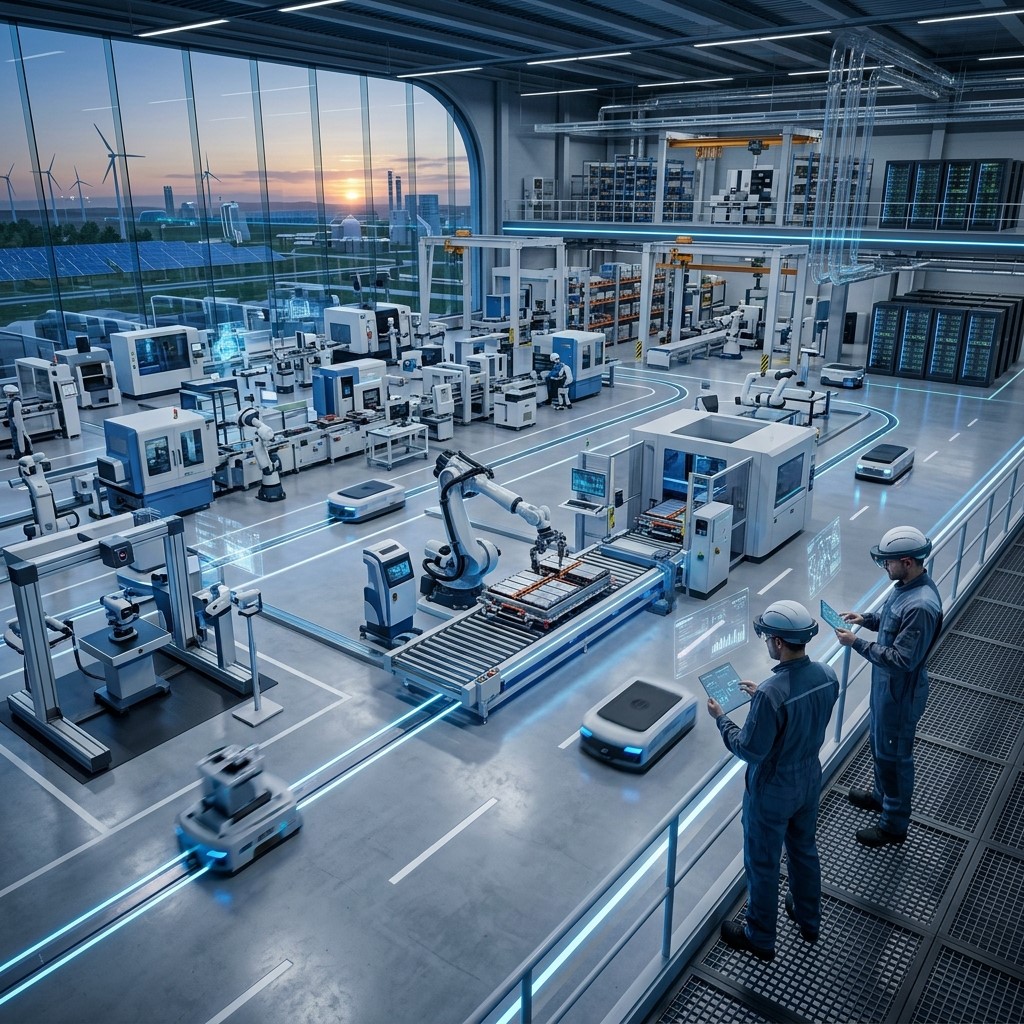 The trend is clear: machine data collection is becoming standard, not optional. As sensors get cheaper and analytics get sharper, even smaller operations are joining in.
Artificial intelligence will push things further. Instead of just flagging problems, future systems will recommend fixes—and eventually make adjustments on their own. Machines will talk to each other, coordinating production across an entire facility without human input for routine decisions.
The companies that build a strong data foundation now will be the ones ready to take advantage of these advances. Those who wait may find themselves struggling to catch up.
Frequently Asked Questions (FAQ)
1. What is machine data collection?
Machine data collection is the automated process of gathering information from industrial equipment, sensors, and connected devices. It captures operational metrics such as temperature, pressure, cycle times, energy usage, and machine status to help businesses monitor performance and improve decision-making.
2. Why is machine data collection important in manufacturing?
Machine data collection provides real-time visibility into equipment performance, helping manufacturers reduce downtime, improve product quality, optimize production processes, and make data-driven decisions that increase efficiency and profitability.
3. How does machine data collection differ from manual data collection?
Manual data collection relies on employees recording information by hand, which can be slow and prone to errors. Machine data collection automatically captures data directly from equipment, providing accurate, continuous, and real-time information without manual intervention.
4. What types of data can be collected from machines?
Manufacturers can collect a wide range of data, including temperature, vibration, pressure, cycle counts, machine uptime, downtime, energy consumption, production rates, and error codes. The specific data depends on the equipment and sensors being used.
5. How does machine data collection support predictive maintenance?
By continuously monitoring machine performance, data collection systems can identify unusual patterns that indicate potential equipment failures. Maintenance teams can then address issues before breakdowns occur, reducing unplanned downtime and repair costs.
6. What is mobile data collection in industrial environments?
Mobile data collection allows workers to use smartphones or tablets to record inspections, maintenance activities, and observations directly into a digital system. This eliminates paper forms and ensures that manual and machine-generated data are stored together.
7. Can older machines be integrated into a machine data collection system?
Yes. Many legacy machines can be retrofitted with sensors, gateways, and connectivity devices that enable them to collect and transmit operational data. This allows older equipment to participate in modern digital monitoring systems.
8. What challenges do companies face when implementing machine data collection?
Common challenges include integrating legacy equipment, managing large volumes of data, training employees, ensuring cybersecurity, and selecting the right data collection tools for specific operational needs.
9. How does machine data collection improve product quality?
Continuous monitoring helps identify process variations that may affect product quality. By detecting issues early, manufacturers can make adjustments before defects occur, reducing waste and improving consistency.
10. What is the future of machine data collection?
The future includes greater use of artificial intelligence, advanced analytics, Industrial IoT technologies, and automated decision-making systems. These innovations will help businesses predict issues faster, optimize operations, and improve overall manufacturing performance.
Turning Data Into a Competitive Edge
Machine data collection has moved from a nice-to-have to a core part of how successful industrial operations run. It cuts downtime, improves quality, sharpens visibility, and lowers costs—all by turning the signals machines already produce into decisions that matter.
The best way to start is small. Pick one line or one persistent problem, install the right data collection tool, and measure the results. Once you see the impact, expanding to the rest of your operation becomes an easy call.