Every company collects data—sales figures, customer behavior, website clicks, supply chain metrics. But collecting data and actually using it to make smarter decisions are two very different things. That gap is where data science comes in.
You don’t need a PhD in statistics to lead a data-driven organization. What you do need is a clear understanding of what data science can do, how it fits into your business, and how to ask the right questions of your team. This guide breaks down data science for business leaders in plain terms, without the jargon that often makes the topic feel out of reach.
By the end, you’ll understand the core concepts, the practical applications across departments, and the steps you can take to start building a more analytical, evidence-based culture in your organization.
What Is Data Science, Really?
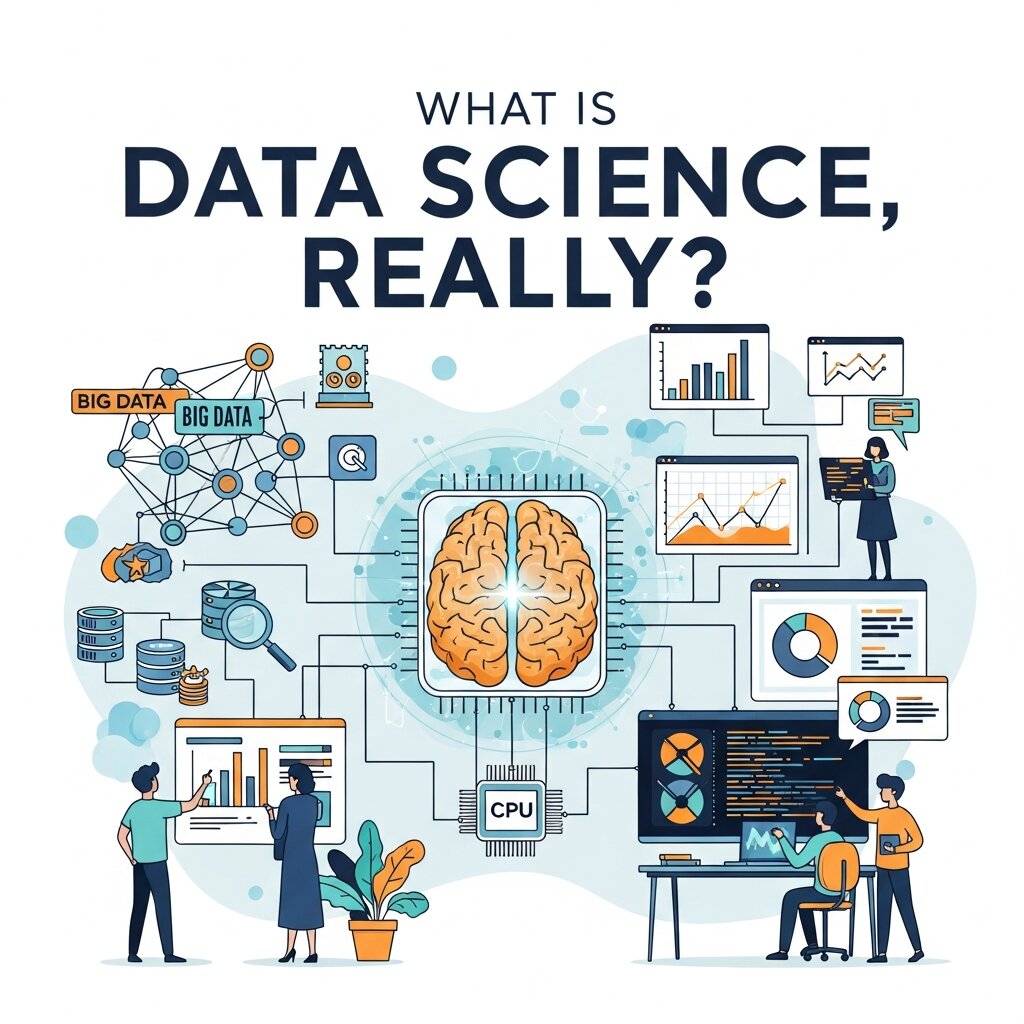 At its simplest, data science is the practice of turning raw data into useful insights. It combines statistics, computer science, and domain knowledge to find patterns, make predictions, and guide decisions.
Think of it as a three-part process. First, you gather information through data collection programs and tools. Second, you clean and organize that information so it’s usable. Third, you analyze it to answer questions or solve problems.
A retailer might use data science to predict which products will sell out during the holidays. A bank might use it to flag fraudulent transactions in real time. A logistics company might use it to plot the most efficient delivery routes. The applications are endless, but the goal is always the same: better decisions, backed by evidence rather than gut feeling.
For business leaders, the key takeaway is this—data science isn’t a magic box. It’s a disciplined approach to answering questions you care about, using information you already have or can reasonably gather.
Why Data Science Matters for Your Bottom Line
Companies that lead with data tend to outperform those that don’t. The reason is straightforward. Data reduces guesswork, and less guesswork means fewer expensive mistakes.
Consider how this plays out across common business challenges:
- Pricing decisions: Instead of guessing what customers will pay, you can analyze purchasing patterns to set prices that maximize both sales and margins.
- Customer retention: Data can reveal which customers are likely to leave, giving you a chance to win them back before they do.
- Operational efficiency: Patterns in your operations data can expose bottlenecks, waste, and opportunities to cut costs.
- Product development: Customer feedback and usage data help you build features people actually want, rather than features you assume they want.
The financial impact compounds over time. A small improvement in customer retention or a slight reduction in waste can translate into significant savings and revenue across a full year. That’s the quiet power of a data-driven approach.
The Building Blocks: How Data Science Works in Practice
To work with your data teams effectively, it helps to understand the basic stages of any data science project. You won’t be writing code, but knowing the workflow lets you set realistic expectations and ask sharper questions.
Data Collection
Everything starts with good data. Modern businesses rely on a mix of data collection solutions—customer relationship management systems, web analytics platforms, point-of-sale systems, and even sensors on equipment. The quality of your insights depends entirely on the quality of what you collect.
A common mistake is assuming more data is always better. In reality, the right data beats more data every time. Before launching new data collection programs, ask what decisions the information will support. If you can’t connect the data to a clear business question, you probably don’t need it yet.
Data Cleaning and Preparation
Raw data is messy. It contains duplicates, errors, missing values, and inconsistencies. Data scientists often spend the majority of their time on this unglamorous stage, because clean data is the foundation of trustworthy results.
As a leader, it helps to appreciate this reality. When a project takes longer than expected, the holdup is frequently in preparation, not analysis. Budgeting time and resources for this step prevents frustration on both sides.
Analysis and Modeling
Once the data is clean, the real analysis begins. This might mean spotting trends, grouping customers into segments, or building models that predict future outcomes. The methods range from simple charts to sophisticated machine learning algorithms.
The complexity should always match the question. A straightforward dashboard might answer a strategic question just as well as a complex predictive model—and far more cheaply.
Communication and Action
Insights are worthless if no one acts on them. The final stage is translating findings into recommendations that decision-makers can understand and use. This is where many data projects fail, not because the analysis was wrong, but because the results never made it into a decision.
Encourage your teams to present findings in clear, visual, business-focused terms. A good data scientist is also a good storyteller.
Practical Applications Across Departments
Data science isn’t confined to one corner of the business. Its value shows up in nearly every function when applied thoughtfully.
Marketing
Marketing teams use data science to understand which campaigns drive results and which waste budget. By analyzing customer behavior, they can target the right people with the right message at the right time. Personalization, audience segmentation, and campaign attribution all rely on solid data analysis.
Finance
Finance departments use data science to forecast revenue, detect anomalies, and manage risk. Predictive models can flag unusual spending, anticipate cash flow problems, and support smarter investment decisions.
Operations and Supply Chain
Operations teams use data to optimize inventory, forecast demand, and streamline logistics. Predicting demand accurately means less money tied up in unsold stock and fewer lost sales from running out of popular items.
Human Resources
Even HR benefits from data science. Analyzing employee data can reveal what drives retention, which hiring sources produce the best candidates, and where engagement is slipping. These insights help build stronger, more stable teams.
Building a Data-Driven Culture
 Tools and talent matter, but culture is what makes data science stick. A company can hire brilliant analysts and buy expensive software, yet still fail to benefit if leaders ignore the findings or teams resist evidence-based decisions.
Building this culture starts at the top. When leaders consistently ask for data to support proposals and decisions, the rest of the organization follows. Here are a few practical ways to encourage it:
- Lead by example: Ask “What does the data say?” in meetings, and make decisions based on the answer.
- Invest in literacy: Help your team understand basic data concepts. Some leaders even pursue a data science minor or short course to build their own fluency.
- Make data accessible: Give people the dashboards and tools they need to find answers without always relying on a specialist.
- Celebrate evidence over opinion: Reward decisions grounded in data, even when the data challenge conventional wisdom.
This cultural shift takes time, but it pays off. Organizations that embrace data tend to move faster, adapt better, and make fewer costly errors.
How to Get Started Without a Big Budget
You don’t need a massive investment to begin. The smartest approach is to start small and build momentum with early wins.
Begin by picking one clear business problem—something specific and measurable, like reducing customer churn or improving a marketing campaign’s return. Gather the data you already have, run a focused analysis, and measure the impact. A single successful project builds credibility and makes it easier to secure resources for the next one.
You can also lean on accessible tools. Many data collection solutions and analytics platforms now offer affordable, user-friendly options designed for small and mid-sized businesses. You don’t need enterprise software to get meaningful results from your data.
Finally, consider your team’s skills. You might upskill existing employees through online courses, hire a single analyst to start, or partner with an outside consultant for specific projects. Each path has trade-offs, but all of them can move you forward.
Data Governance and Data Security: Protecting Business Assets
 As businesses become more data-driven, protecting information becomes just as important as analyzing it. Data governance refers to the policies, standards, and processes that ensure data remains accurate, consistent, and secure across the organization. Strong governance helps prevent errors, reduces compliance risks, and improves confidence in business reporting. At the same time, robust data security measures protect sensitive customer, employee, and financial information from unauthorized access or cyber threats. Business leaders should establish clear ownership of data, define access controls, and regularly review security practices. Without proper governance and security, even the most advanced data science initiatives can be undermined by poor-quality information or costly data breaches.
Measuring Success: Key Metrics for Data Science Initiatives
One of the most common mistakes businesses make is launching data science projects without defining how success will be measured. Every initiative should begin with clear objectives and performance indicators tied directly to business outcomes. Depending on the project, relevant metrics might include revenue growth, customer retention rates, operational efficiency improvements, cost reductions, or forecast accuracy. Tracking these measurements allows organizations to determine whether their investments are delivering meaningful value. It also helps teams identify opportunities for improvement and refine future projects. By focusing on measurable results rather than technical complexity, business leaders can ensure their data science efforts contribute to strategic goals and generate a strong return on investment over time.
Frequently Asked Questions
1. What is data science in business?
Data science in business involves collecting, analyzing, and interpreting data to support decision-making. It helps organizations identify trends, improve operations, understand customers, reduce risks, and uncover opportunities for growth using data-driven insights.
2. Why is data science important for businesses?
Data science helps businesses make informed decisions instead of relying on assumptions. By analyzing data, companies can improve efficiency, optimize marketing efforts, reduce costs, increase revenue, and gain a competitive advantage in their industry.
3. How is data science different from business analytics?
Business analytics primarily focuses on understanding past performance and current trends. Data science goes further by using advanced statistical methods, machine learning, and predictive models to forecast future outcomes and identify new opportunities.
4. What types of businesses can benefit from data science?
Businesses of all sizes and industries can benefit from data science. Retail, healthcare, finance, manufacturing, logistics, education, and technology companies commonly use data-driven insights to improve performance and support strategic planning.
5. What are common applications of data science in business?
Common applications include customer segmentation, demand forecasting, fraud detection, inventory management, personalized marketing, predictive maintenance, employee retention analysis, and financial forecasting. These applications help organizations make smarter operational and strategic decisions.
6. Do small businesses need data science?
Yes. Small businesses can use data science to understand customer behavior, optimize marketing campaigns, improve sales performance, and identify growth opportunities. Even simple analytics tools can provide valuable insights without requiring large investments.
7. What skills are required for data science?
Data science typically combines statistics, programming, data visualization, machine learning, and business knowledge. Strong problem-solving abilities and communication skills are also important for translating data insights into actionable business recommendations.
8. What is the role of data collection in data science?
Data collection is the foundation of data science. Accurate and relevant data enables businesses to generate reliable insights, identify patterns, and make informed decisions. Poor-quality data often leads to inaccurate conclusions and ineffective strategies.
9. How can a company build a data-driven culture?
Organizations can build a data-driven culture by encouraging evidence-based decision-making, improving data literacy, providing access to analytics tools, and consistently using data to guide business strategies and operational improvements.
10. How can businesses get started with data science?
Start by identifying a specific business challenge, gathering relevant data, and using basic analytics tools to uncover insights. Focus on small, measurable projects first, then gradually expand your data science initiatives as expertise and confidence grow.
Turning Data Into Your Competitive Edge
Data science for business isn’t about chasing the latest technology trend. It’s about making better decisions, more consistently, using the information your company already generates every day.
Start with the fundamentals. Understand what data science can and can’t do, ask clear questions, invest in clean data, and build a culture that values evidence. The companies that master these basics gain a real, lasting advantage over those still relying on instinct alone.