Data shapes nearly every decision a modern society makes. Governments use it to plan hospitals and schools. Businesses use it to predict demand. Researchers use it to track disease, climate change, and economic trends. Yet for all the data we generate, much of it remains scattered, siloed, and underused. That’s where a national data collective comes in.
A national data collective brings together information from multiple sources—public agencies, private organizations, research institutions, and citizens—into one coordinated framework. The goal is simple: make data more accessible, more consistent, and more useful for everyone who relies on it. When done right, this approach can transform how a country plans, governs, and grows.
This post explores what a national data collective is, why it matters, and how it lays the foundation for a smarter, more responsive society. You’ll also learn about the tools, methods, and safeguards that make such a system work—and what challenges stand in the way.
What Is a National Data Collective?
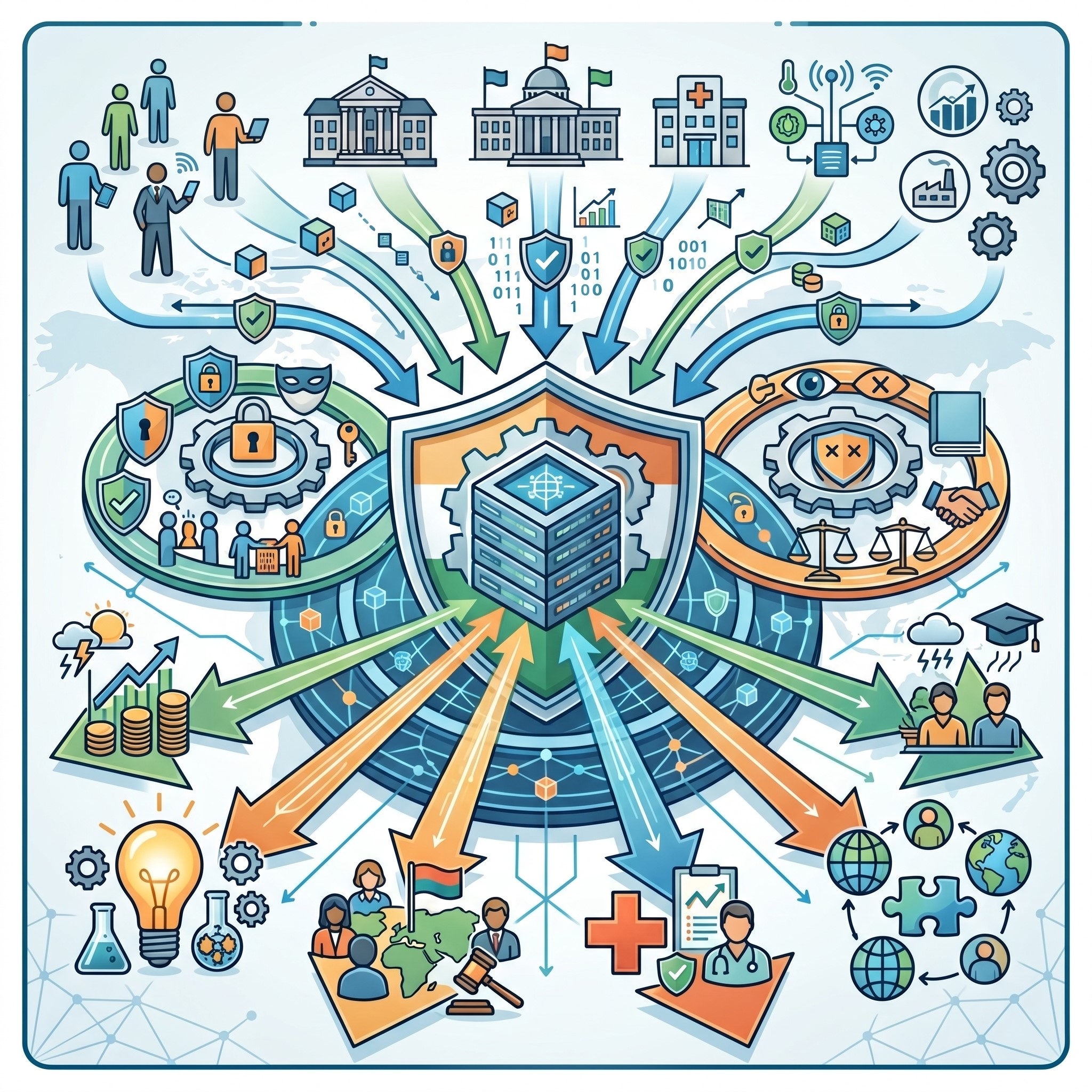 A national data collective is a centralized or federated system designed to gather, organize, and share data across an entire country. Instead of each agency or organization keeping its own records in isolation, a collective creates shared standards and a common infrastructure. This makes it easier to combine datasets, compare results, and draw insights that no single source could provide alone.
Think of it as a national library, but for data. Rather than books, the shelves hold census records, health statistics, transportation patterns, environmental readings, and economic indicators. Anyone with the right permissions—policymakers, researchers, or even members of the public—can access this information to answer important questions.
The “collective” part is key. It’s not just one giant database controlled by a single authority. It’s a cooperative network where different contributors agree to share data using common rules. This balance between coordination and contribution is what makes the model both powerful and sustainable.
Why Centralized Data Collection and Analysis Matters
When data lives in separate systems, it loses much of its value. A hospital might track patient outcomes, while a city planner tracks pollution levels—but if those two datasets never connect, no one can study how air quality affects public health. A national approach to data collection and analysis solves this problem by linking related information.
Here are a few reasons why coordinated data matters:
- Better decision-making: Leaders can base policies on complete, accurate information rather than guesswork or fragmented reports.
- Faster response times: During emergencies like pandemics or natural disasters, real-time data sharing can save lives.
- Reduced duplication: Agencies stop collecting the same information over and over, which saves time and public money.
- Stronger research: Scientists gain access to richer datasets, accelerating discoveries in medicine, climate science, and social policy.
A unified system also improves consistency. When everyone uses the same definitions and formats, the results become comparable. That consistency is the backbone of reliable data collection and analysis.
The Building Blocks of a National Data Collective
 Creating a national data collective isn’t just about technology. It requires a careful mix of infrastructure, standards, people, and trust. Below are the core components that make such a system function.
Standardized Data Collection Forms
Everything starts with how data enters the system. A well-designed data collection form ensures that information is captured cleanly and consistently from the very beginning. If every agency uses a different format, merging datasets later becomes a nightmare.
Standardized forms reduce errors, speed up processing, and make automation possible. For example, if every health clinic records patient visits using the same digital data collection form, those records can flow directly into a national health database without manual reformatting. Good forms are clear, accessible, and designed with the end user in mind—whether that’s a nurse, a survey respondent, or a government clerk.
Shared Standards and Definitions
A “household” in one survey might mean something different in another. Without agreed-upon definitions, combining datasets produces confusing or misleading results. A national data collective establishes shared standards so that terms, units, and categories mean the same thing everywhere. This common language is what allows information from thousands of sources to fit together.
Secure Infrastructure
Storing sensitive national data requires robust technology. This includes secure servers, encryption, and access controls that protect against breaches. A federated model—where data stays with its original owner but can be queried through a shared network—often offers a good balance between accessibility and security.
Skilled People
Technology alone can’t run a data collective. It takes statisticians, data engineers, analysts, and privacy experts to keep the system accurate, secure, and useful. Investing in these skills is just as important as investing in hardware or software.
How Modern Data Collection Solutions Power the System
The tools available today make building a national data collective more achievable than ever. Modern data collection solutions automate much of the work that used to take months of manual effort.
Cloud platforms allow agencies to store and process massive datasets without building expensive infrastructure from scratch. Mobile apps let field workers capture data on the spot, even in remote areas. Application programming interfaces, or APIs, let different systems talk to each other automatically, so a record entered in one place can update related records elsewhere.
Automation also reduces human error. When a digital data collection form validates entries in real time—flagging an impossible date of birth or a missing field—the data arrives cleaner and more reliable. This means analysts spend less time fixing mistakes and more time finding insights.
Artificial intelligence adds another layer of capability. Machine learning models can spot patterns across enormous datasets, predict trends, and even detect anomalies that might signal fraud or errors. When paired with a well-organized national data collective, these data collection solutions turn raw numbers into actionable intelligence.
Real-World Applications of a National Data Collective
 The benefits of a national data collective become clear when you look at how it’s used across different sectors.
Public health: During a disease outbreak, health officials need to track cases, hospital capacity, and vaccine distribution in real time. A connected data system lets them see the full picture and respond quickly. Countries with strong data infrastructure handled recent global health crises far more effectively than those relying on fragmented records.
Urban planning: City planners use traffic, housing, and population data to decide where to build roads, schools, and public transit. When these datasets connect, planning becomes smarter and more efficient.
Economic policy: Governments rely on accurate employment, trade, and spending data to set interest rates, design tax policy, and support struggling industries. A national data collective ensures these decisions rest on solid evidence.
Environmental protection: Climate data from weather stations, satellites, and sensors can be combined to monitor pollution, predict floods, and guide conservation efforts.
Each of these examples shows the same underlying truth: better-connected data leads to better outcomes for everyone.
Protecting Privacy and Building Trust
None of these benefits matter if citizens don’t trust the system. A national data collective handles sensitive personal information, so privacy and security must come first—not as an afterthought.
Strong data governance is essential. This means clear rules about who can access what, for what purpose, and under what conditions. Techniques like anonymization and aggregation allow analysts to study trends without exposing individual identities. For example, researchers can learn that a neighborhood has rising diabetes rates without ever seeing a single patient’s name.
Transparency builds trust, too. When people understand how their data is collected, stored, and used—and when they see real benefits in return—they’re far more likely to support the system. Independent oversight bodies can audit the collective to ensure it follows the rules and respects citizens’ rights.
The most successful data systems treat privacy and usefulness as partners, not opposites. With the right safeguards, a country can unlock the value of its data while keeping individuals protected.
Challenges on the Road Ahead
Building a national data collective is ambitious, and it comes with real obstacles. Different agencies often resist sharing data they consider “theirs.” Legacy systems built decades ago may not connect easily with modern platforms. Funding can be inconsistent, especially when the benefits take years to materialize.
There are also questions of equity. If only certain regions or populations are well-documented, the data may reflect and reinforce existing biases. A truly national system must work hard to include everyone, including rural communities and marginalized groups who are often left out of official records.
Overcoming these challenges requires political will, sustained investment, and a clear long-term vision. The countries that succeed will be those that treat data not as a byproduct of government work, but as a strategic national asset.
Frequently Asked Questions
1. What is a national data collective?
A national data collective is a coordinated framework that brings together data from government agencies, businesses, research institutions, and other sources. It enables secure data sharing, standardization, and analysis to support better decision-making, innovation, and public services across a country.
2. Why is a national data collective important?
A national data collective improves access to reliable information, helping organizations and policymakers make informed decisions. It reduces data silos, increases efficiency, supports research, and enables faster responses to economic, social, environmental, and public health challenges.
3. How does a national data collective improve decision-making?
By combining information from multiple sources, a national data collective provides a more complete view of trends and issues. This allows leaders to make evidence-based decisions, allocate resources effectively, identify risks early, and develop policies that better serve communities.
4. What types of data are included in a national data collective?
A national data collective may include demographic information, healthcare statistics, economic indicators, environmental data, transportation records, education metrics, and other datasets collected by public and private organizations. The specific data depends on the collective’s goals and governance structure.
5. How do standardized data collection forms help?
Standardized data collection forms ensure information is gathered consistently across different organizations and regions. This improves data quality, reduces errors, simplifies integration, and makes it easier to compare and analyze information from multiple sources within the collective.
6. What role do data collection solutions play in a national data collective?
Modern data collection solutions automate the gathering, processing, and sharing of information. They improve accuracy, reduce manual work, enable real-time updates, and help organizations efficiently contribute data to the collective while maintaining consistency and security.
7. How is privacy protected in a national data collective?
Privacy is protected through encryption, access controls, anonymization techniques, governance policies, and compliance frameworks. These safeguards ensure sensitive information remains secure while still allowing authorized users to access valuable insights for research and decision-making purposes.
8. Can businesses benefit from a national data collective?
Yes, businesses can gain access to valuable insights that support market research, demand forecasting, innovation, and strategic planning. Better data availability helps organizations make informed decisions, improve efficiency, and identify opportunities for growth and investment.
9. What challenges are involved in building a national data collective?
Common challenges include data standardization, privacy concerns, legacy technology systems, funding requirements, organizational resistance, and ensuring equitable representation across regions and populations. Overcoming these issues requires collaboration, strong governance, and long-term commitment.
10. What is the future of national data collectives?
The future will likely involve greater use of artificial intelligence, cloud-based infrastructure, real-time analytics, and advanced data-sharing technologies. As data becomes increasingly important, national data collectives will play a critical role in supporting innovation, transparency, and evidence-based decision-making.
Building Toward a Smarter Future
A national data collective is more than a technical project—it’s a foundation for better governance, stronger research, and smarter decisions across every sector. By bringing scattered information together through shared standards, secure infrastructure, and thoughtful design, a country can turn its data into one of its most valuable resources.
The path forward starts with small, practical steps: adopting standardized data collection forms, investing in modern data collection solutions, and building public trust through transparent data collection and analysis. Each step strengthens the whole.