Gathering information used to be a tedious, error-prone endeavor. Researchers and analysts would spend countless hours passing out paper surveys, transcribing responses, and manually entering numbers into massive, unwieldy spreadsheets. This slow approach often led to delayed insights, human error, and a significant drain on valuable organizational resources.
Now, the landscape of information gathering has completely shifted. Organizations rely on robust digital tools to capture, process, and analyze information instantly. This shift allows teams to focus less on the administrative burden of gathering responses and more on extracting actionable insights that drive strategic decisions.
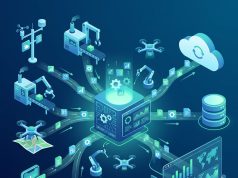
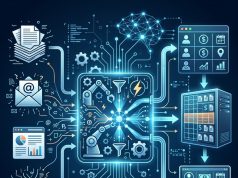
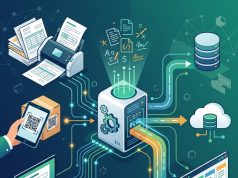
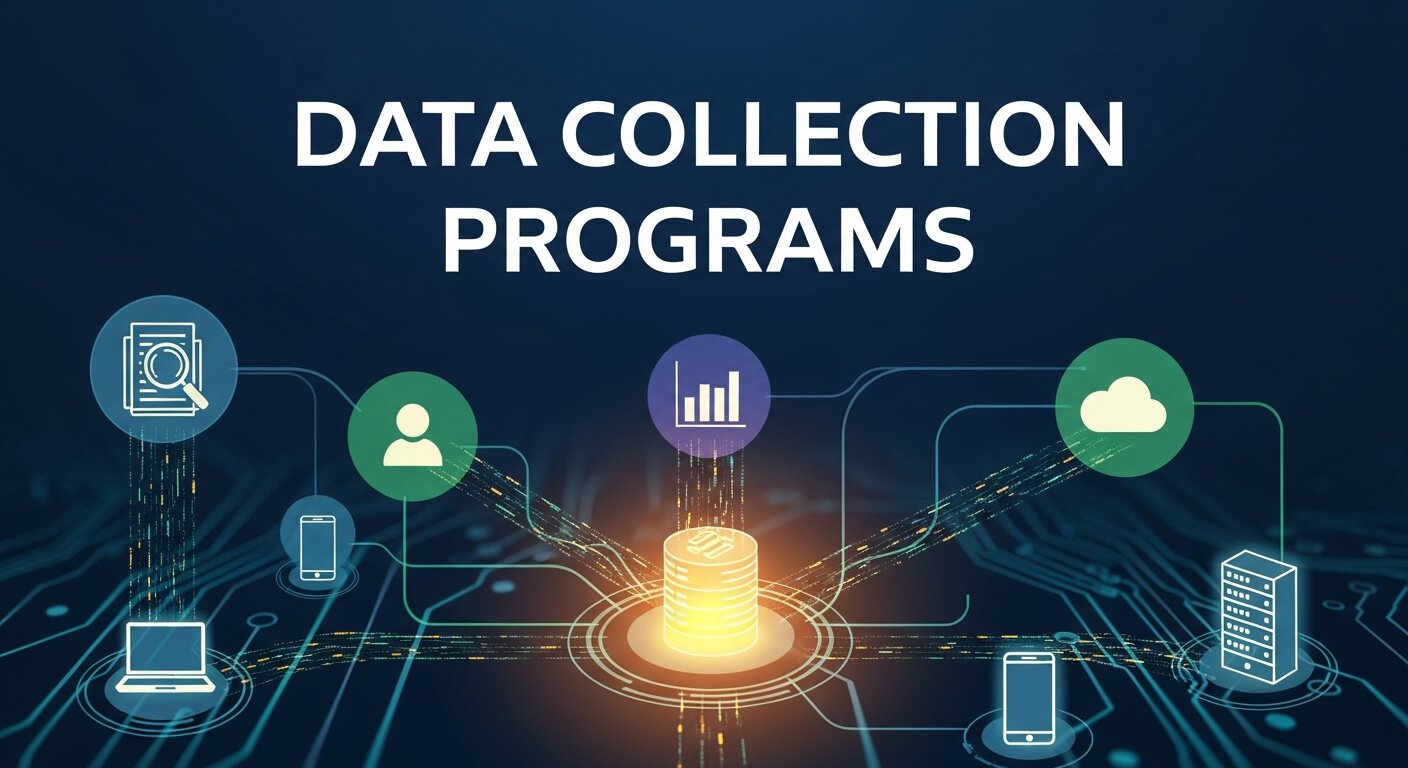
At the heart of this transformation are data collection programs. These sophisticated platforms automate the entire process from start to finish, ensuring that information flows seamlessly from the respondent directly into an analytics dashboard. By replacing outdated methods with streamlined digital workflows, teams can accelerate their research timelines and achieve a higher standard of accuracy.
If your team is still relying on manual entry or disconnected tools, you are likely missing out on critical efficiencies. Understanding how these tools function and the specific advantages they offer is the first step toward building a more effective, scalable research strategy.
The Evolution of Information Gathering
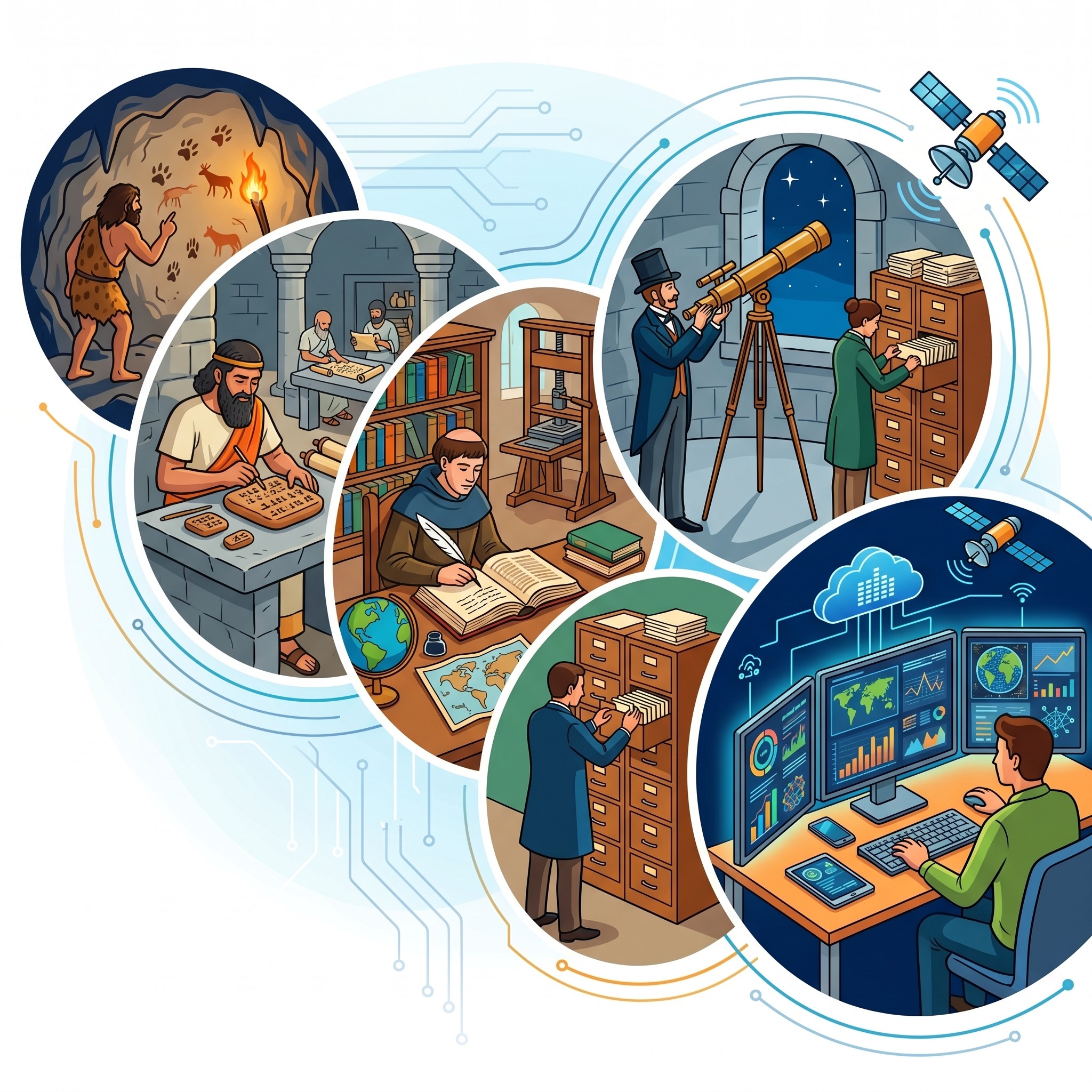 The methods we use to gather information have undergone a massive evolution over the last two decades. Early digital efforts often involved basic email surveys or static web pages that still required heavy manual processing on the back end.
Moving Beyond Manual Entry
Historically, human error was the biggest threat to data integrity. A single misplaced decimal point or skipped row during manual data entry could skew an entire dataset, leading to flawed conclusions. Researchers had to employ double-entry methods—having two different people enter the same information and comparing the results—just to maintain a baseline level of accuracy.
Modern data collection software eliminates this risk entirely. By capturing input directly at the source, these platforms remove the middleman. Information is instantly validated, stored, and prepared for analysis, ensuring that the raw data is as pure and accurate as possible right from the moment of capture.
Key Benefits of Using Data Collection Software
Adopting dedicated platforms for gathering information brings a wide array of operational benefits. These advantages extend far beyond simple convenience, fundamentally changing how research teams operate.
Unprecedented Speed and Efficiency
Time is arguably the most valuable resource in any research project. Data collection programs drastically reduce the time required to deploy surveys, gather responses, and prepare datasets for analysis. Automated distribution tools can send a data collection form to thousands of participants simultaneously. As responses roll in, the software automatically categorizes and aggregates the input. This means analysts can begin reviewing preliminary results within minutes of launching a campaign, rather than waiting weeks for manual processing to conclude.
Enhanced Accuracy and Quality Control
Ensuring high-quality input is critical for reliable analytics. Dedicated software provides built-in validation rules that prevent respondents from submitting incomplete or incorrectly formatted answers. For example, if a field requires a numerical value, the system will reject text input. Additionally, branching logic ensures that participants only see questions relevant to their previous answers, reducing survey fatigue and improving the overall quality of the responses.
Real-Time Analytics and Reporting
The ability to monitor incoming information in real-time is a massive advantage. Many data collection programs feature integrated dashboards that visualize trends as they emerge. Researchers can track response rates, identify early patterns, and adjust their strategies on the fly. If a particular question is causing participants to abandon the form, the team can identify the bottleneck immediately and make necessary adjustments without derailing the entire project.
Core Features to Look For
Not all platforms are created equal. When evaluating data collection software for your organization, several core features are essential for a smooth, scalable workflow.
Customizable Data Collection Forms
The foundation of any gathering initiative is the user interface presented to the respondent. A powerful data collection form builder allows you to create highly customized, branded interfaces that encourage completion. Look for drag-and-drop functionality, support for multiple question types (such as multiple-choice, Likert scales, and open text), and advanced conditional logic. The form should be fully responsive, ensuring it looks and functions perfectly on desktop computers, tablets, and smartphones.
Seamless Integration Capabilities
Your collection tools should not exist in a vacuum. To truly streamline analytics, the software must integrate seamlessly with your existing technology stack. Application Programming Interfaces (APIs) and native integrations allow information to flow directly from the data collection programs into customer relationship management (CRM) systems, statistical analysis software, and data visualization tools. This interconnected ecosystem eliminates silos and ensures that insights are available to stakeholders across the entire organization.
Robust Security and Compliance
When dealing with sensitive information, security cannot be an afterthought. High-quality data collection software must adhere to strict regulatory standards, such as the General Data Protection Regulation (GDPR) or the Health Insurance Portability and Accountability Act (HIPAA), depending on your industry. Features like end-to-end encryption, role-based access controls, and comprehensive audit logs are mandatory to protect participant privacy and shield your organization from potential breaches.
Transforming Research Across Industries
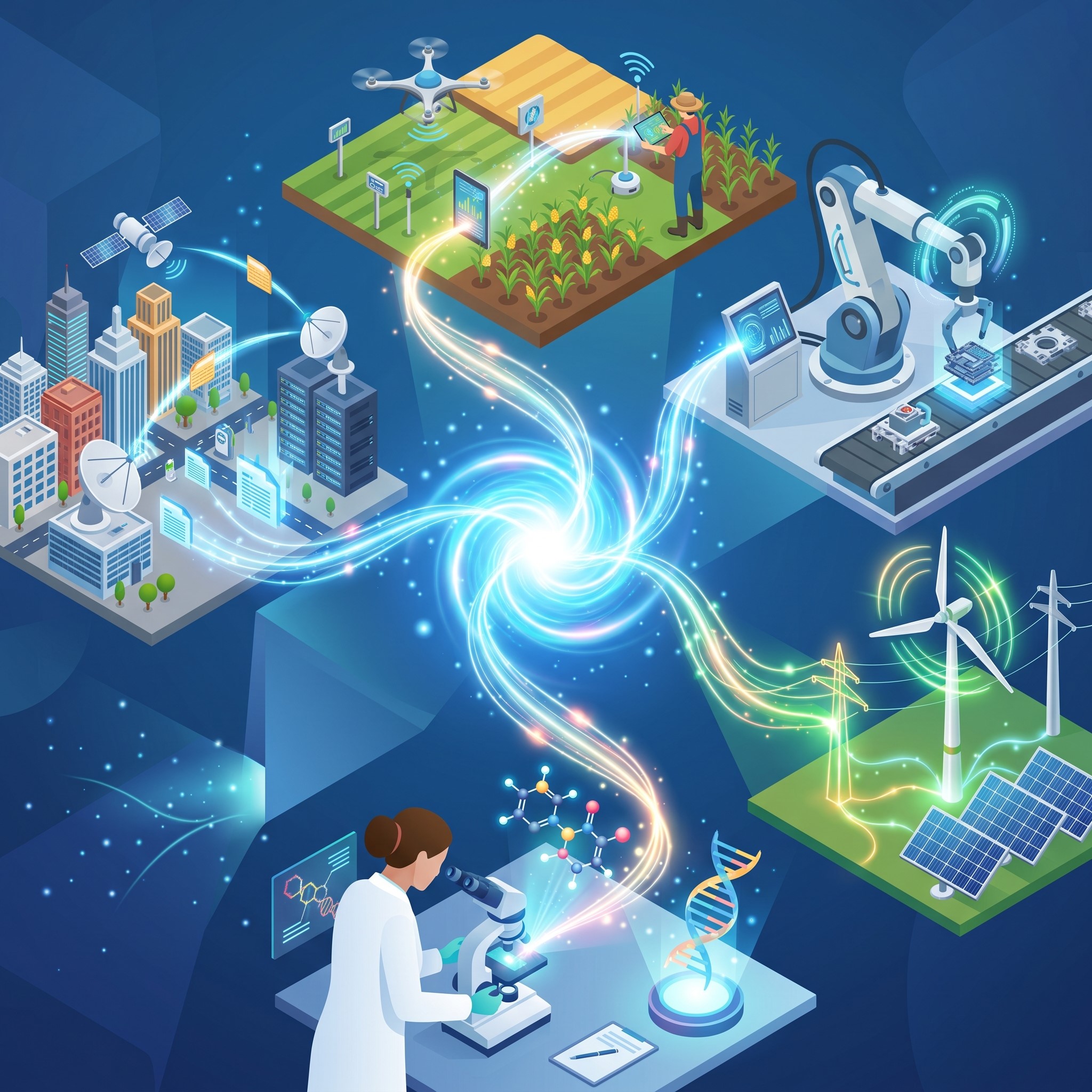 The implementation of these programs is not limited to a single sector. Various industries are leveraging these tools to revolutionize their specific research methodologies.
Academic and Scientific Research
In the academic world, gathering information often involves complex methodologies and long-term longitudinal studies. Researchers use advanced data collection programs to manage participant cohorts over several years. Automated reminders ensure that participants complete follow-up surveys on schedule, while secure databases protect sensitive subject information. This automation allows scientists to dedicate their funding and energy toward interpreting complex results rather than chasing down missing paperwork.
Market Research and Consumer Insights
Businesses thrive on understanding consumer behavior. Market research teams rely on data collection software to deploy rapid-fire consumer sentiment surveys, product feedback forms, and brand awareness studies. By utilizing highly engaging, interactive a data collection form, companies can capture nuanced feedback from a broad demographic. The real-time nature of these platforms allows marketing departments to pivot campaigns instantly based on fresh consumer insights, maintaining a competitive edge in rapidly changing markets.
Healthcare and Clinical Trials
The healthcare sector requires the highest levels of accuracy and security. Clinical trials utilize specialized data collection programs to track patient outcomes, monitor medication adherence, and record adverse events. These platforms ensure that all gathered information meets strict regulatory compliance standards. Electronic Patient-Reported Outcomes (ePRO) systems allow patients to submit health updates directly from their mobile devices, increasing engagement and providing doctors with continuous, reliable streams of health data.
Steps to Implement a Data Collection Program
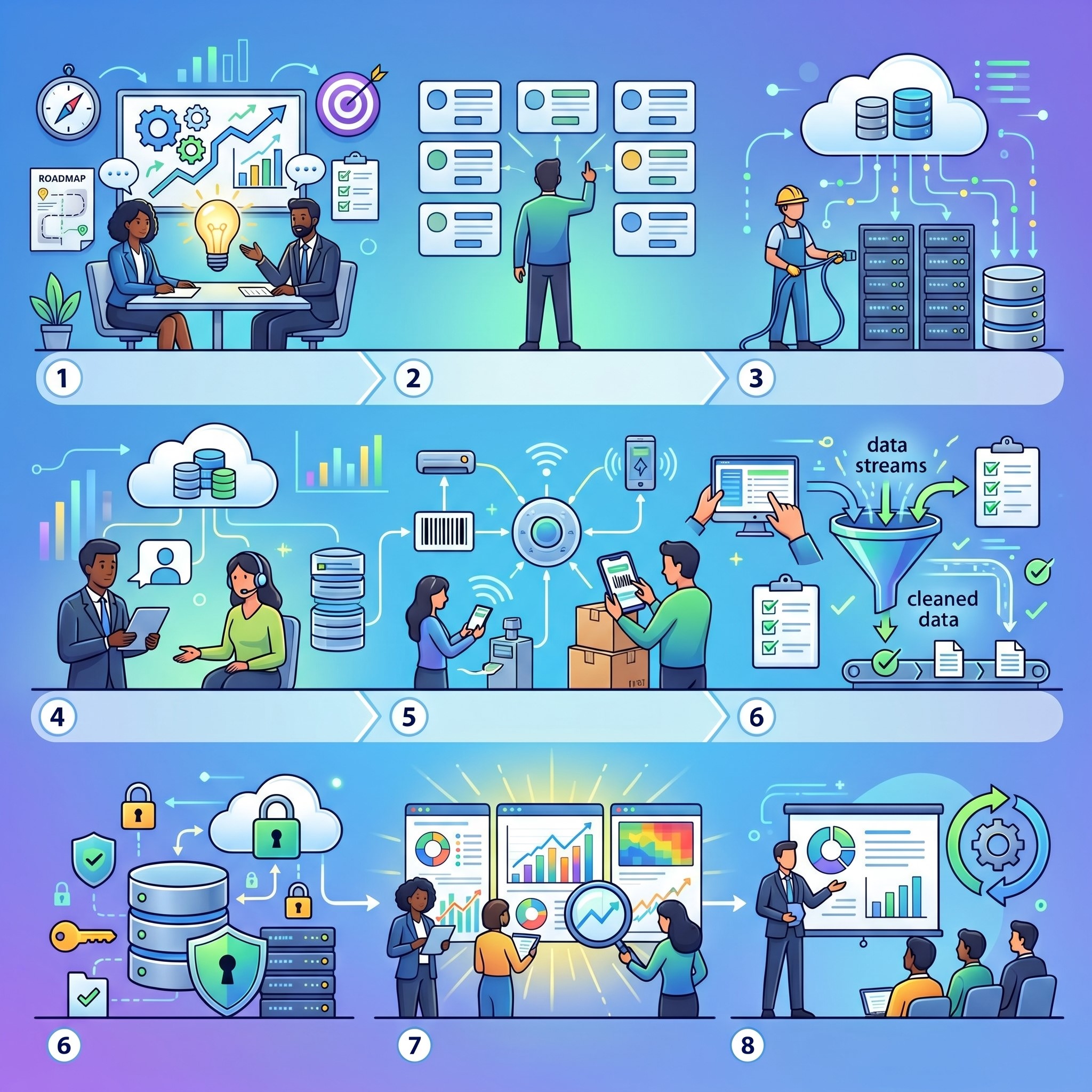 Transitioning to a new system requires careful planning. A structured approach ensures that your team maximizes the value of the new software while minimizing disruptions to ongoing projects.
Step 1: Assess Your Specific Needs
Begin by mapping out your current workflows and identifying pain points. Do you struggle most with response rates, data entry errors, or reporting delays? Document the specific types of information you need to gather and the regulatory requirements you must meet. This comprehensive needs assessment will guide your software selection process and ensure you choose a platform that aligns with your strategic goals.
Step 2: Build and Test Your Forms
Once you have selected a platform, start by building a pilot data collection form. Focus on creating a clean, user-friendly layout. Keep questions concise and utilize logic branching to respect the respondent’s time. Before launching to your target audience, conduct thorough internal testing. Have team members complete the form on various devices to identify any confusing phrasing or technical glitches.
Step 3: Establish Integration Protocols
Work with your IT department to connect the new software with your existing analytics databases. Map the data fields precisely so that incoming responses automatically populate the correct columns in your CRM or analysis tools. Test the data flow with dummy responses to verify that information transfers accurately and securely.
Step 4: Train Your Team
Even the most intuitive software requires proper training. Host workshops for your research team covering how to build forms, deploy campaigns, and interpret the built-in analytics dashboards. Establish clear standard operating procedures (SOPs) for data governance, ensuring everyone understands how to handle sensitive information appropriately within the new system.
Automated Survey Distribution Systems
Modern data collection programs rely heavily on automated distribution systems to reach large audiences quickly and efficiently. Instead of manually sending surveys through email or messaging platforms, these systems allow researchers to schedule and deploy forms across multiple channels at once. This ensures consistent delivery and higher response rates. Advanced targeting options also make it possible to segment audiences based on demographics, behavior, or previous interactions. As responses come in, the system automatically organizes the data in real time, removing the need for manual sorting. This automation significantly reduces administrative workload while improving speed and accuracy. It also ensures that no participant is missed or duplicated, creating a more reliable and structured data-gathering process that supports faster decision-making across teams and organizations.
Intelligent Data Validation and Quality Control
One of the most critical advantages of modern data collection programs is built-in validation and quality control mechanisms. These systems ensure that all collected information meets predefined standards before it is stored or analyzed. For example, they can restrict invalid inputs, require mandatory fields, and enforce correct formatting for numerical or textual responses. Conditional logic further enhances accuracy by guiding respondents through relevant question paths based on previous answers. This reduces confusion and prevents irrelevant or inconsistent data entries. Additionally, real-time error detection helps users correct mistakes instantly, improving overall dataset reliability. By minimizing human error at the source, organizations can trust their insights more confidently and make decisions based on clean, structured, and high-quality information without extensive manual cleanup or correction processes afterward.
Cloud-Based Analytics and Data Accessibility
Cloud-based infrastructure is a defining feature of modern data collection programs, enabling seamless access to information from anywhere in the world. Once data is collected, it is securely stored in centralized cloud systems where it can be analyzed in real time. This allows teams to collaborate across different locations without delays or version conflicts. Interactive dashboards present insights through charts, graphs, and trend analysis tools, making complex datasets easier to interpret. Cloud systems also support scalability, meaning organizations can handle small surveys or massive global studies without performance issues. In addition, automatic backups and encryption ensure data security and disaster recovery. By combining accessibility, scalability, and security, cloud-based analytics transforms raw information into actionable insights that are always available when decision-making is required.
Frequently Asked Questions (FAQ)
What are data collection programs?
Data collection programs are digital tools and software platforms designed to gather, organize, process, and analyze information efficiently. They automate tasks such as survey distribution, response tracking, data validation, and reporting, helping organizations reduce manual work and improve accuracy.
Why are data collection programs important?
These programs help businesses and researchers collect information faster and with fewer errors. They improve workflow efficiency, provide real-time insights, and allow teams to make data-driven decisions more effectively. Automated systems also save time compared to traditional paper-based or spreadsheet-driven methods.
What industries use data collection software?
Many industries rely on data collection software, including healthcare, education, market research, finance, retail, and scientific research. Organizations use these tools to gather customer feedback, conduct surveys, manage clinical trials, track employee performance, and analyze operational data.
What features should I look for in a data collection program?
Important features include customizable forms, mobile compatibility, automated reporting, real-time analytics, integration with existing software, security controls, and cloud-based storage. Advanced platforms may also include conditional logic, AI-powered insights, and collaboration tools for teams.
How do data collection forms improve accuracy?
Digital data collection forms use validation rules and automated checks to prevent incomplete or incorrect entries. For example, forms can require mandatory fields, restrict invalid formats, and guide users through logical question paths. This reduces human error and improves the reliability of collected information.
Taking the Next Step in Your Analytics Journey
The transition from manual gathering to automated systems marks a critical maturity point for any research operation. By eliminating administrative bottlenecks and human error, data collection programs empower teams to work faster, smarter, and more securely.
As technology continues to advance, these platforms will only become more integrated and intelligent, offering deeper analytics and even more intuitive user experiences. Organizations that embrace these tools now will build a strong, reliable foundation for all their future research endeavors. Assess your current workflows, explore the software options available, and begin building a more streamlined, data-driven future for your team.