
In today’s dynamic world, the role of daily climate extends beyond mere weather forecasts. The temperature, humidity, sunlight, and wind we encounter each day have a direct bearing on our physiological functions, mental outlook, and productivity levels. By recognizing how the ever-changing atmospheric conditions shape our energy, mood, and focus, individuals can take proactive measures to optimize their daily routines. This article explores how daily climate interacts with our bodies and minds, offering evidence-based insights and practical tips to harness these environmental influences for improved well-being. From understanding cardiovascular responses to temperature swings to leveraging natural light for mood enhancement, we delve into five key areas that illustrate the power of daily climate. Whether you’re seeking to boost your performance at work, maintain respiratory comfort, or align personal goals with seasonal patterns, the guidance provided here can help you thrive in today’s digital landscape. As more people work from home and rely on digital devices, the interplay between indoor and outdoor environments becomes crucial for sustaining performance and comfort throughout this year (2026). By applying simple adjustments—from choosing appropriate clothing based on real-time forecasts to customizing indoor settings—you can mitigate adverse effects while maximizing positive outcomes. Throughout this article, we’ll reference authoritative research and recommendations from sources such as the National Oceanic and Atmospheric Administration (NOAA) and the National Institutes of Health (NIH), ensuring that our suggestions are grounded in scientific understanding. Let’s embark on a journey to unlock the potential of daily climate in shaping our everyday lives.
Impact of Daily Climate on Physical Well-Being
Our bodies constantly adjust to the nuances of daily climate, with temperature swings and moisture levels playing significant roles in physical well-being. Understanding these processes can inform how we schedule activities, select attire, and manage health indicators in today’s digital landscape.
Temperature and Cardiovascular Dynamics
When ambient temperatures climb, blood vessels near the skin surface dilate to facilitate heat dissipation. This vascular response can lower blood pressure but simultaneously place additional strain on the heart as it works to maintain adequate circulation. On high-heat days, individuals with cardiovascular concerns may experience fatigue or dizziness more readily. Conversely, exposure to cooler temperatures causes vasoconstriction, elevating blood pressure and rendering physical exertion more taxing. In monitoring your heart rate and blood pressure in relation to daily climate, wearable devices can provide real-time feedback, enabling you to adjust exercise intensity or rest intervals accordingly. For instance, planning morning workouts on warmer days or opting for indoor sessions can help prevent undue cardiovascular stress.
Humidity and Respiratory Balance
Humidity levels exert a powerful influence on respiratory comfort and mucosal health. In humid conditions, the air holds more moisture, making it feel heavier and potentially exacerbating breathing difficulties for those with asthma or chronic obstructive pulmonary disease (COPD). High humidity can also support mold growth indoors, contributing to allergy flare-ups. On the other hand, extremely low humidity dries out nasal passages and throat linings, increasing susceptibility to viral infections and sore throats. To create a stable breathing environment, consider utilizing a humidifier when the indoor air is too dry and a dehumidifier during muggy spells. Monitoring local humidity forecasts through trusted weather services can further guide you in maintaining optimal indoor air quality throughout this year (2026).
Clothing and Activity Modulation
Adapting wardrobe choices to match daily climate conditions is a simple yet effective way to manage physiological responses. Breathable, moisture-wicking fabrics are ideal for humid, warm days, while insulating layers perform well in colder moments. Similarly, scheduling strenuous tasks during cooler parts of the morning or evening can enhance safety and endurance. When you align physical activity with the nuances of daily climate, you minimize discomfort and reduce the likelihood of heat-related or cold-induced complications.
Hydration and Nutritional Considerations
Hydration demands shift in response to variations in humidity and temperature. Increased perspiration on hot, humid days necessitates higher fluid intake—electrolyte-rich beverages can help replenish sodium and potassium lost through sweat. During colder periods, people often neglect adequate water consumption, despite the fact that dry air can also draw moisture from the body. Incorporating hydrating foods such as fruits and salads, along with maintaining regular water intake, supports cellular function and helps regulate body temperature. Keep a refillable water bottle nearby to encourage consistent hydration and consider adding natural flavor enhancers like citrus slices for both taste and vitamin C benefits.
By tuning into the interplay between daily climate factors such as temperature and humidity, and adjusting lifestyle habits accordingly, you empower your body to operate more efficiently. Embracing these insights enhances overall comfort and resilience, paving the way for improved health outcomes in today’s fast-paced world.
Emotional Health in Response to Daily Climate Variations

Beyond physical adaptation, daily climate exerts profound effects on emotional well-being. The amount of daylight, fluctuations in atmospheric pressure, and even subtle changes in wind patterns can influence mood, energy, and cognitive clarity. By recognizing these connections, individuals can develop coping mechanisms to maintain balance and positivity throughout this year (2026).
Sunlight, Circadian Rhythms, and Mood
Exposure to natural light is essential for regulating the body’s internal clock, known as the circadian rhythm. Adequate sunlight stimulates the production of serotonin—a key neurotransmitter linked to feelings of happiness and calm. Conversely, limited light exposure during overcast or gray days may reduce serotonin levels, potentially leading to irritability or symptoms similar to Seasonal Affective Disorder (SAD). Incorporating light therapy lamps or strategically positioning workspaces near windows can mitigate these effects. Research from institutions such as the National Institutes of Health underscores the significance of light exposure in sustaining emotional equilibrium, highlighting the role of daily climate in mental health.
Barometric Pressure and Emotional States
Changes in barometric pressure often accompany weather fronts, subtly influencing mood and mental sharpness. Rapid drops in pressure can trigger headaches or feelings of lethargy, while gradual increases may enhance alertness. Although individual reactions vary, monitoring pressure shifts via reputable meteorological platforms can alert you to potential mood fluctuations. On days when the forecast predicts significant pressure changes, scheduling supportive practices—such as mindfulness exercises or brief outdoor walks—can help maintain emotional poise.
Wind, Ambient Noise, and Psychological Effects
The sound and force of wind can also play a role in psychological sensation. A gentle breeze can refresh and invigorate, creating a sense of flow and reducing stress levels. In contrast, strong gusts or persistent wind noise may contribute to restlessness or difficulty concentrating. Utilizing noise-cancelling headphones or curating ambient soundtracks that mimic soothing weather sounds—like rustling leaves or distant rain—can help you harness the calming elements of daily climate, even when outdoor conditions are tumultuous.
Creating a Climate-Friendly Emotional Routine
Developing personalized routines that account for daily climate cues can strengthen emotional resilience. Simple practices include scheduling mood-boosting activities—such as morning stretches or mid-afternoon sunlight breaks—during times when natural conditions are favorable. On days dominated by overcast skies or high winds, consider indoor calming rituals like guided meditation or listening to curated playlists of restorative nature sounds. By aligning emotional self-care with the rhythms of daily climate, you cultivate a proactive approach to mental wellness, minimizing the impact of external variables on your emotional state.
Enhancing Productivity Through Daily Climate Awareness
Whether you’re working in a home office, a corporate setting, or remotely in a coworking space, the immediate environment shaped by daily climate can significantly affect concentration and output. Small adjustments based on weather-driven cues can lead to measurable productivity gains while promoting comfort and well-being in today’s digital landscape.
Optimal Indoor Temperature and Cognitive Performance
Studies indicate that ambient temperatures between 20°C and 22°C (68°F–72°F) tend to support optimal cognitive function, reducing errors and improving decision-making speed. When indoor temperatures deviate from this range, the brain diverts resources toward thermoregulation, detracting from mental tasks. If you lack centralized climate control, consider portable solutions such as space heaters in cooler weather or small fans during warm spells. Employing a smart thermostat can also ensure consistent conditions, adapting to shifts in daily climate without constant manual intervention.
Ambient Weather Sounds and Focus
Background noise connected to weather—like steady rainfall or gentle breezes—can exert either a soothing or distracting influence. For many, a light rain soundtrack masks disruptive sounds, fostering a state of flow, whereas intrusive wind gusts may interfere with concentration. Experiment with ambient weather sound libraries or noise-cancelling headphones to discern which auditory environment maximizes your efficiency. Some digital tools even adapt soundscapes in real time, syncing with local weather forecasts for an immersive experience.
Natural Ventilation and Workspace Design
Opening windows when outdoor conditions permit introduces fresh air, balances indoor humidity, and reduces pollutant buildup. This simple practice can refresh cognitive faculties and improve overall air quality. However, during days of extreme heat, high pollen counts, or pollution alerts, it’s advisable to close windows and utilize air purifiers to maintain a healthy workspace. Incorporating indoor plants can further enhance air purity, with many species endorsed by environmental health agencies for their air-filtering capabilities.
Leveraging Daylight for Enhanced Creativity
Positioning your workspace to capture natural light can reduce reliance on artificial lighting and synchronize your circadian rhythm. Diffused daylight reduces eye strain and can stimulate creativity, according to research from institutions such as NASA and various academic studies. If direct sunlight is unavailable, full-spectrum bulbs that mimic daylight spectra are effective substitutes, helping uphold a productive atmosphere during overcast or darker periods.
Scheduling Tasks in Accordance with Weather Cycles
Aligning demanding tasks with periods of favorable daily climate—such as early mornings when temperatures are moderate and light levels are rising—can amplify focus and stamina. Reserve less concentrated activities for times when the environment may be less supportive, like during peak heat or when storms approach. By structuring your day around the natural rhythms of daily climate, you capitalize on periods of peak performance and navigate challenging weather phases with minimal disruption.
Seasonal Shifts in Daily Climate and Personal Rhythms
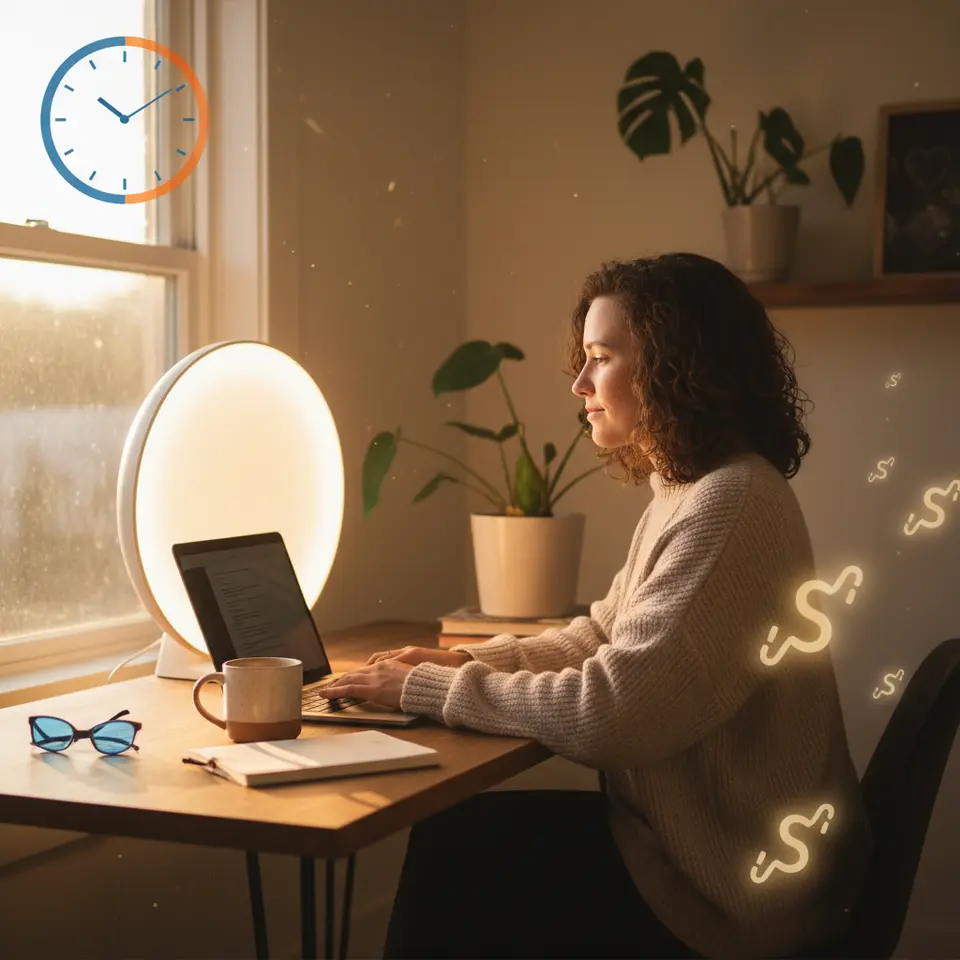
While the term daily climate often refers to short-term weather patterns, overarching seasonal shifts also frame our routines and long-term objectives. By aligning personal goals with the broader climate cycles of spring, summer, autumn, and winter, individuals can work in harmony with nature’s tempo rather than against it.
Spring: Renewal and Energy
The transition into spring ushers in extended daylight and moderate temperatures, factors that naturally invigorate spirits and encourage physical activity. This season is ideal for launching ambitious projects, initiating new habits, and embracing outdoor pursuits. Consider scheduling group exercises, brainstorming sessions under natural light, or planting greenery to harness the uplifting effects of the season.
Summer: Balance Between Activity and Recovery
Summer is synonymous with long, sunlit days ideal for exploration and productivity, but it also carries the risk of heat stress and fatigue. Incorporating regular hydration breaks, adjusting work hours to cooler periods of the day, and seeking shade during peak sun hours help maintain performance. Evenings can be reserved for lighter tasks or creative ideation when temperatures begin to drop.
Autumn: Reflection and Strategic Planning
As temperatures cool and daylight shortens, autumn fosters introspection and strategic thinking. The crisp air can enhance focus while prompting a natural shift toward goal review and future planning. It’s an opportune time to evaluate achievements, refine objectives, and set a course for continued growth, leaning into the reflective mood that daily climate encourages during this season.
Winter: Rest and Restoration
Winter’s shorter days and colder temperatures often invite a more restful pace. While some may find reduced daylight challenging, embracing restorative practices—such as indoor family gatherings, reflective journaling, and low-impact exercises—can help maintain well-being. Utilizing warm lighting, layering clothing, and incorporating nutrient-dense foods can support energy levels when daily climate conditions limit outdoor activity.
Preparing for Extreme Weather Events
Across all seasons, severe weather events like storms, heat waves, or cold snaps can disrupt routines and present safety concerns. Developing an emergency kit, crafting a flexible work plan, and staying informed through authoritative sources such as the National Oceanic and Atmospheric Administration ensures you respond effectively when daily climate volatility increases. Advanced preparation not only safeguards physical health but also preserves mental composure, allowing you to continue pursuing personal and professional goals with minimal interruption.
By observing seasonal shifts in daily climate, you can adapt your lifestyle to leverage each phase’s unique advantages, creating a cohesive strategy that spans the entire year.
Practical Strategies to Harness Daily Climate
Integrating simple, actionable tactics into your daily routine can help you make the most of daily climate influences. From planning your day around reliable forecasts to leveraging technology for real-time adjustments, these strategies empower you to optimize health, mood, and productivity.
Morning Weather Check and Planning
Begin each day by reviewing updated forecasts from reputable sources, enabling you to select suitable attire and schedule outdoor activities during optimal windows. Reliable platforms such as government weather apps and university-affiliated meteorological services provide accurate insights into temperature, humidity, and precipitation. By proactively planning—in these early hours—you minimize surprises and ensure readiness for unexpected shifts in daily climate.
Micro-Breaks for Outdoor Engagement
Incorporating brief outdoor intervals throughout the day can reset both mind and body. Even a five-minute stroll in natural light enhances circulation, relieves eye strain, and elevates mood. When weather permits, design outdoor meeting spots or walking routes near your workspace. On less agreeable days, stepping onto a covered porch or opening a window for fresh air offers similar benefits, maintaining a connection with the external environment.
Indoor Air Quality Management
Keeping indoor air clean and balanced significantly influences respiratory health and comfort. Utilize humidifiers or dehumidifiers to maintain relative humidity between 40% and 60%, reducing the proliferation of allergens and pathogens. Regularly replace HVAC filters, and integrate air-purifying plants to contribute natural purification. Monitoring indoor conditions with a digital hygrometer and air quality monitor provides data to fine-tune these interventions effectively.
Simulating Favorable Conditions
When external weather is uncooperative, simulate more desirable climates with lighting and soundscapes. Warm, bright bulbs that replicate sunlight support alertness on gloomy days, while full-spectrum LEDs can be timed to mirror natural sun patterns. Additionally, sound applications offering gentle rain, ocean waves, or forest ambiance can foster relaxation and concentration. These sensory simulations bridge the gap between actual daily climate and personal comfort needs.
Integrating Technology and Weather Data
Advancements in smart home technology and wearable devices allow seamless adaptation to daily climate. Smart thermostats can automatically adjust temperature settings based on local forecasts, while fitness trackers alert you to humidity levels during outdoor workouts. Weather-aware calendars and task managers can prompt reminders to drink water, take protective measures for sun exposure, or shift meetings in response to incoming storms. By weaving weather intelligence into everyday tools, you create an adaptive ecosystem that responds fluidly to the environment.
Implementing these practical strategies cultivates a lifestyle that respects the rhythms of daily climate, ensuring you remain agile and prepared as conditions change.
Frequently Asked Questions
How does daily climate affect my energy levels?
Energy fluctuations often correlate with temperature and sunlight changes. Warmer, sunnier days can boost alertness through increased serotonin production, while cold or overcast conditions may slow metabolic processes and dampen mood. Monitoring weather patterns and adjusting activities—like scheduling active tasks during optimal periods—helps maintain steady energy.
What simple strategies can I implement daily?
Start with a morning weather check to choose appropriate attire and plan breaks. Incorporate micro-breaks outdoors or near a window, hydrate according to humidity and temperature, and use light and sound simulations on gloomy days. Smart devices like thermostats, humidifiers, and wearable monitors can further automate comfort adjustments.
How can I prepare for extreme weather events?
Stay informed through reliable sources like NOAA and local alerts. Assemble an emergency kit with essentials (water, non-perishable food, first-aid supplies), create a flexible schedule for work and travel, and secure your indoor environment with air purifiers or protective installations. Psychological preparedness—such as mindfulness practices—also supports resilience during disruptions.
Conclusion
Every aspect of your immediate surroundings, from temperature and light to humidity and wind, contributes to a complex interplay that shapes your physical health, emotional state, and productivity. By intentionally observing the patterns of daily climate and applying tailored adjustments—whether through strategic hydration, optimized workspace settings, or seasonally aligned goal planning—you can transform routine days into opportunities for enhanced well-being. Embrace morning weather checks, micro-breaks in natural light, and adaptive technology to create an environment that supports peak performance and resilience throughout this year (2026). Drawing on authoritative insights from organizations such as NOAA, NIH, and NASA, the recommendations presented here are grounded in scientific expertise. Furthermore, staying prepared for extreme weather events not only protects your safety but also sustains mental tranquility. Whether you’re an outdoor enthusiast, a busy professional, or someone prioritizing home wellness, integrating the strategies outlined above enables you to live in harmony with daily climate. Let this awareness guide your daily decisions, so you can thrive no matter what weather unfolds outside in today’s digital landscape.